The garage door lifts. Cool air rushes in.
A kettle hums like a low-frequency signal.
This is where bitterness is engineered.
West Coast IPA isn’t nostalgia.
It’s clarity with intent. Sharp lines. Clean code.
A beer that refuses the haze and doubles down on precision.
In 2026, brewing the perfect west coast ipa at home is both art and system design.
Resin-forward hops. A dry, snappy finish.
Zero noise. All signal.
This style was born on the Pacific edge, where brewers chased brightness over softness and bitterness over comfort. Pine, citrus, and grapefruit peel cut through the glass like neon. The body stays lean. The finish stays honest. Every sip resets the palate.
But here’s the shift: today’s homebrewer has better tools.
More data. Better yeast. Cleaner processes.
What used to be intuition is now repeatable.
Temperature control is tighter. Water chemistry is adjustable down to the decimal. Hop timing is mapped like a neural network—inputs, outputs, precision. The result? A West Coast IPA that hits with surgical clarity instead of blunt force.
This guide is built for that brewer.
Inside, you’ll find a 2026-ready recipe, modern hop strategies, and fermentation tactics designed for consistency. We’ll break down water profiles, mash temperatures, dry hopping windows, and the small decisions that separate “good” from dialed in.
Whether you’re chasing that classic San Diego snap or refining your own house version of the perfect west coast ipa, this article is your blueprint. Not theory. Not trends.
Process.
Part tradition, part tomorrow.
Let’s brew something clean.
Quick Take: What Makes a West Coast IPA
West Coast IPA is built on definition, not diffusion.
Every element has a job. Every flavor has an edge.
At its core, a West Coast IPA is clear, bitter, and aromatic, with hops leading and malt staying out of the way. The goal isn’t softness or juiciness. It’s contrast.
Think bright citrus peel. Pine resin. A snap of grapefruit pith.
Then a dry finish that clears the palate like a hard reset.
According to the Brewers Association, classic West Coast IPAs emphasize high hop bitterness, low ester profiles, and a clean fermentation character designed to showcase hop oils rather than yeast expression . That clarity is intentional.
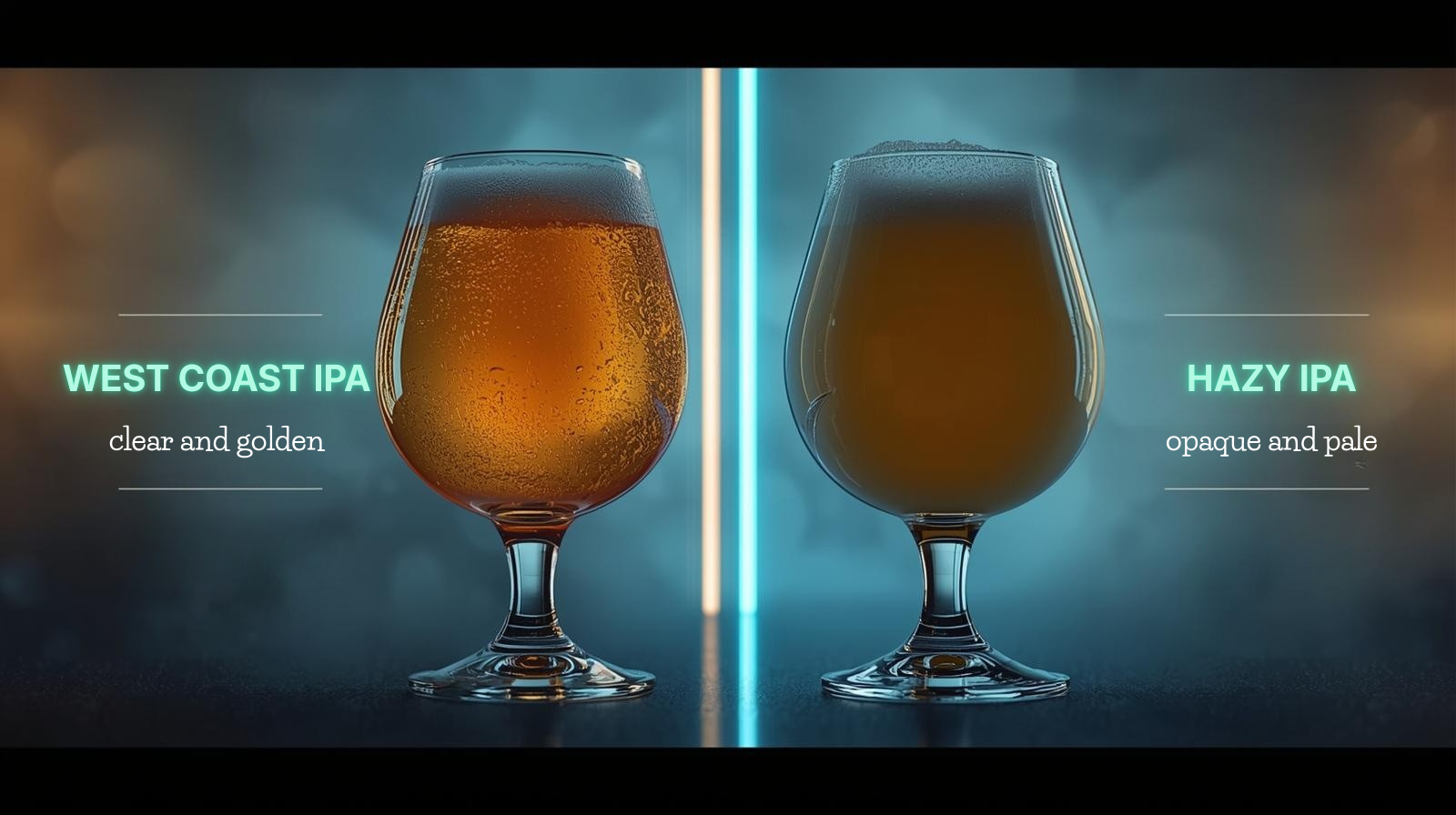
Core Characteristics at a Glance
- Appearance: Clear to light haze, golden to light amber
- Aroma: Citrus, pine, resin, light tropical notes
- Flavor: Assertive bitterness, minimal sweetness
- Mouthfeel: Dry, crisp, medium-light body
- Finish: Clean, fast, and refreshing
Unlike hazy IPAs, which lean on chloride-heavy water and expressive yeast, the West Coast approach favors sulfate-forward water profiles and neutral yeast strains. This keeps bitterness sharp and the finish snappy.
CraftBeer.com defines the style as “hop-forward with clean bitterness and a dry finish,” highlighting how drinkability matters as much as intensity . The beer should invite another sip, not overwhelm the palate.
West Coast IPA vs Modern Hazy IPA
This contrast matters for homebrewers.
Hazy IPAs soften bitterness with body and haze.
West Coast IPAs sharpen it with structure.
Less protein. Less yeast character. More precision.
That’s why brewing the perfect west coast ipa at home starts with understanding restraint. You’re not layering flavors endlessly. You’re carving them. Removing excess. Letting hops speak clearly.
Get the foundation right, and everything else locks into place.
The Ultimate 2026 West Coast IPA Recipe
This is the backbone.
The framework where bitterness becomes balance.
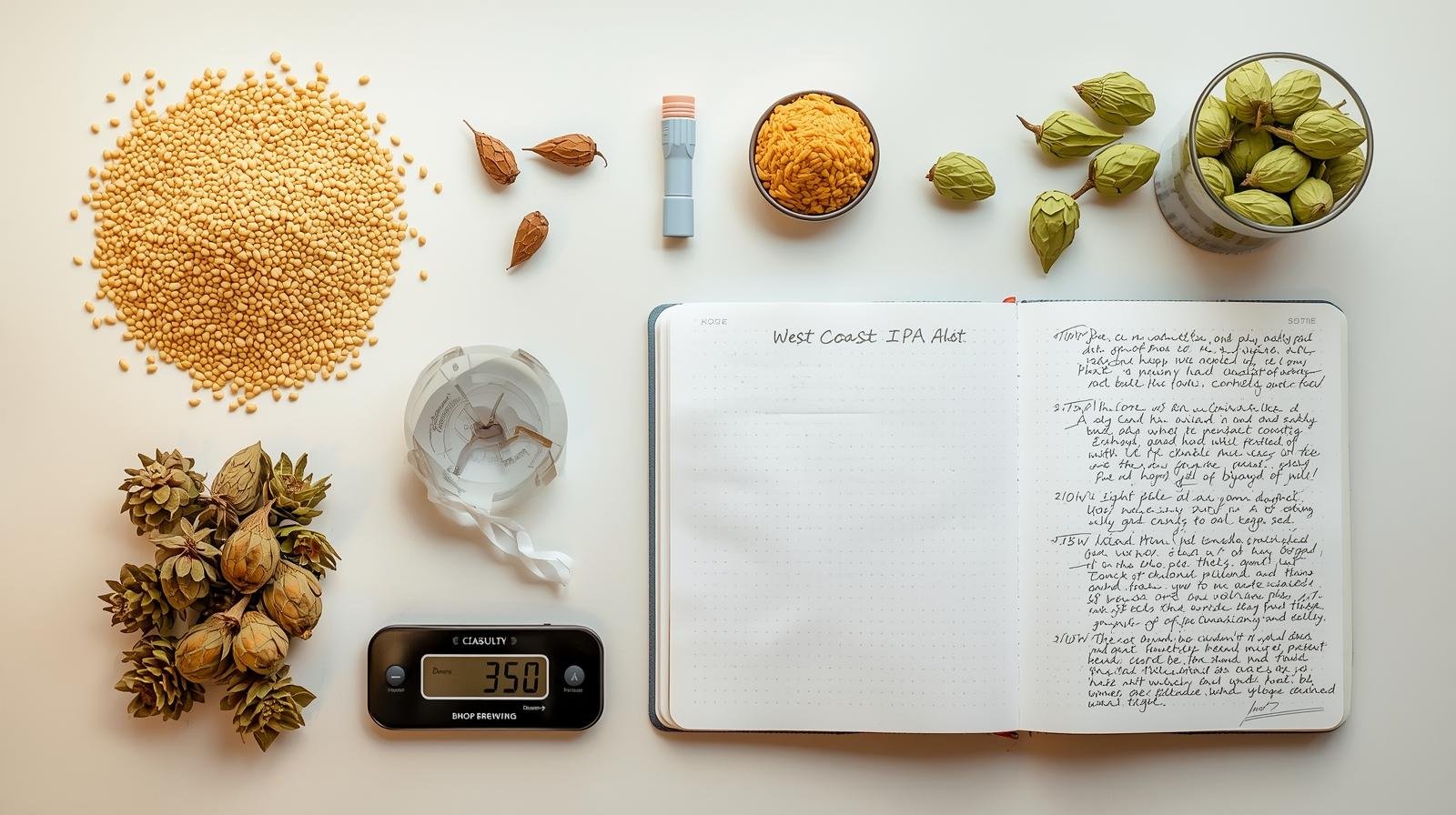
Brewing the perfect west coast ipa in 2026 isn’t about excess. It’s about alignment—ingredients tuned to work together, not compete. Below is a modern, homebrew-scaled recipe designed for clarity, dryness, and repeatability.
No shortcuts. No haze tricks.
Just clean inputs and intentional decisions.
Batch Specifications
- Batch Size: 5 gallons (19 L)
- Original Gravity: 1.060–1.064
- Final Gravity: 1.010–1.012
- ABV: ~6.5–6.8%
- IBUs: 55–65
- Color: 6–7 SRM (golden, lightly amber)
This range keeps the beer assertive but drinkable. Enough bitterness to bite. Enough alcohol to carry aroma.
Grain Bill — Lean by Design
West Coast IPA malt bills should disappear behind the hops.
Base Malts
- 10 lb (4.5 kg) US 2-Row Pale Malt
- 1 lb (0.45 kg) Pilsner Malt
Support Malts
- 0.5 lb (225 g) Light Crystal (20L or lower)
- 0.5 lb (225 g) Dextrose (corn sugar)
The dextrose is deliberate. It lightens the body and dries the finish—critical for achieving the snap associated with the perfect west coast ipa. This approach is widely recommended in modern IPA brewing guides published by the Brewers Association and echoed by professional brewers focused on drinkability.
Hop Schedule — Resin Meets Citrus
Hops are the headline. Timing is the typography.
Bittering (60 minutes)
- Magnum — clean, firm bitterness without vegetal noise
Mid-Boil (15 minutes)
- Centennial — citrus backbone
- Cascade — classic grapefruit and floral lift
Whirlpool (170°F / 77°C for 20 minutes)
- Amarillo
- Simcoe
This combination delivers pine, orange zest, and subtle tropical notes without drifting into sweetness. It’s a classic West Coast palette—updated with modern hop quality.
For hop selection and freshness standards, resources from CraftBeer.com provide reliable guidance on varietal expression and storage.
Water Profile — Where West Coast IPA Is Won or Lost
Water chemistry is not optional here.
It’s the algorithm.
Target Profile (ppm):
- Calcium: 100–120
- Sulfate: 200–250
- Chloride: 40–60
- Magnesium: <20
- Sodium: <50
That high sulfate-to-chloride ratio sharpens bitterness and dries the finish. This is a defining trait of West Coast IPA and one of the biggest differences from hazy styles, which often invert this ratio.
If you want deeper insight, the BJCP guidelines and water chemistry primers from professional brewing texts align closely with these targets.
Why This Recipe Works
Every element removes friction.
- The malt bill stays neutral.
- Sugar dries the finish.
- Sulfate sharpens the hop edge.
- Classic hops keep flavors recognizable and clean.
This isn’t experimental brewing.
It’s controlled execution.
And it sets the stage for the next critical phase—mash and boil precision, where efficiency and flavor extraction either lock in… or drift.
Mastering the Mash & Boil
The mash is where intention turns into chemistry.
The boil is where restraint earns clarity.
To brew the perfect west coast ipa, this stage demands discipline. You’re not chasing mouthfeel or haze. You’re engineering fermentability, bitterness, and clean extraction.
🔥 Mash Schedule — Build a Dry Backbone
West Coast IPA thrives on a highly fermentable wort.
Recommended Mash:
- Temperature: 148–150°F (64–65.5°C)
- Duration: 60 minutes
- Mash pH: 5.2–5.4
Lower mash temperatures favor beta-amylase activity, producing simpler sugars. Yeast eats efficiently. The finish stays dry. That crisp snap? This is where it’s born.
Professional brewers often cite mash temperature control as a primary driver of IPA drinkability, a point reinforced in technical brewing resources published by the Brewers Association.
After conversion, perform a short mash-out at 168°F (76°C) to halt enzymatic activity and improve lautering.
Lautering & Sparging — Avoid the Noise
Keep sparge water below 170°F (77°C).
Stop runoff when gravity drops near 1.008–1.010.
Over-sparging extracts tannins and silicates. That dulls hop brightness and muddies bitterness—two things a West Coast IPA cannot afford.
Clean in. Clean out.
The Boil — Bitterness with Intention
The boil is not about volume.
It’s about timing.
60-Minute Boil Structure:
- 60 min: Magnum (bittering)
- 15 min: Centennial + Cascade
- 10 min: Yeast nutrient (optional but recommended)
Using a clean bittering hop like Magnum keeps the bitterness firm without vegetal harshness. This approach is consistently recommended in IPA brewing guides from CraftBeer.com, especially for hop-forward but balanced profiles.
Avoid late-boil overload. Save aromatics for the whirlpool.
Whirlpool Precision — Aroma Without Sweetness
Once flameout hits, cool the wort to 170°F (77°C) before adding whirlpool hops.
Why this matters:
- Preserves volatile hop oils
- Limits isomerization creep
- Keeps bitterness controlled
Hold the whirlpool for 15–20 minutes, then chill quickly. Fast cooling locks in hop aroma and reduces oxidation risk—critical for maintaining the sharp expression expected in the perfect west coast ipa.
Process Insight
This stage rewards brewers who think like engineers.
- Temperature is a variable.
- Time is a lever.
- Hops are signals, not noise.
Get this right, and fermentation becomes refinement—not rescue.
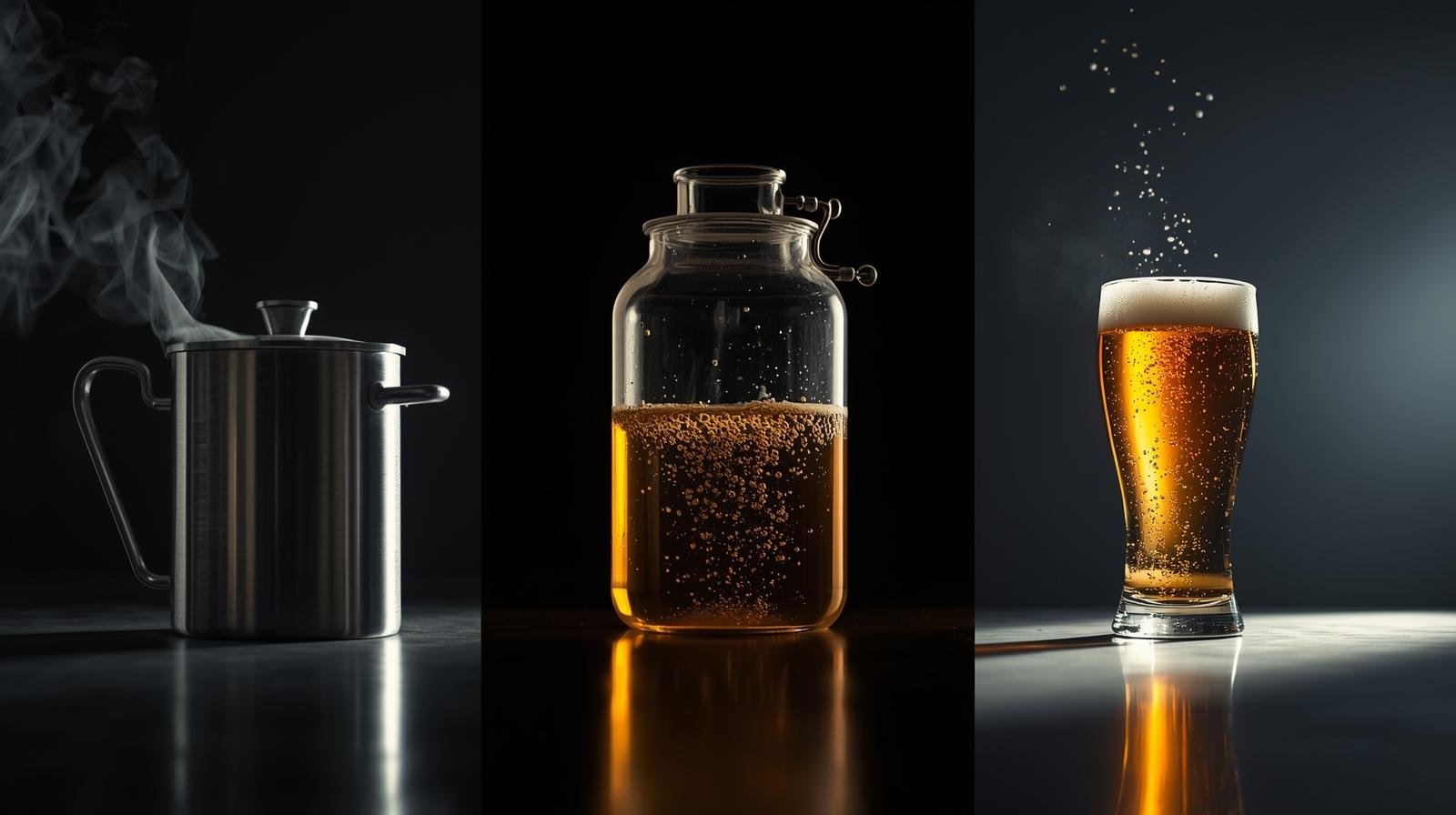
Fermentation Fundamentals
Fermentation is where West Coast IPA earns its discipline.
No theatrics. No fruity detours.
Just clean conversion.
If the mash and boil build the structure, fermentation defines the finish. This is where many homebrewed IPAs drift off course. Too warm. Too expressive. Too loud.
For the perfect west coast ipa, yeast should be invisible.
Yeast Selection — Neutral by Design
Choose strains known for low ester production and high attenuation.
Proven West Coast IPA Yeast Options:
- American Ale (Chico-style) strains
- Clean California ale variants
- Neutral dry yeasts with high attenuation
These yeasts ferment clean, finish dry, and stay out of the hop spotlight. According to fermentation guidance from the Brewers Association, neutral yeast profiles are essential for hop-forward styles where clarity and bitterness lead.
Avoid English-derived or expressive strains here. Stone fruit esters blur the line. West Coast IPA demands focus.
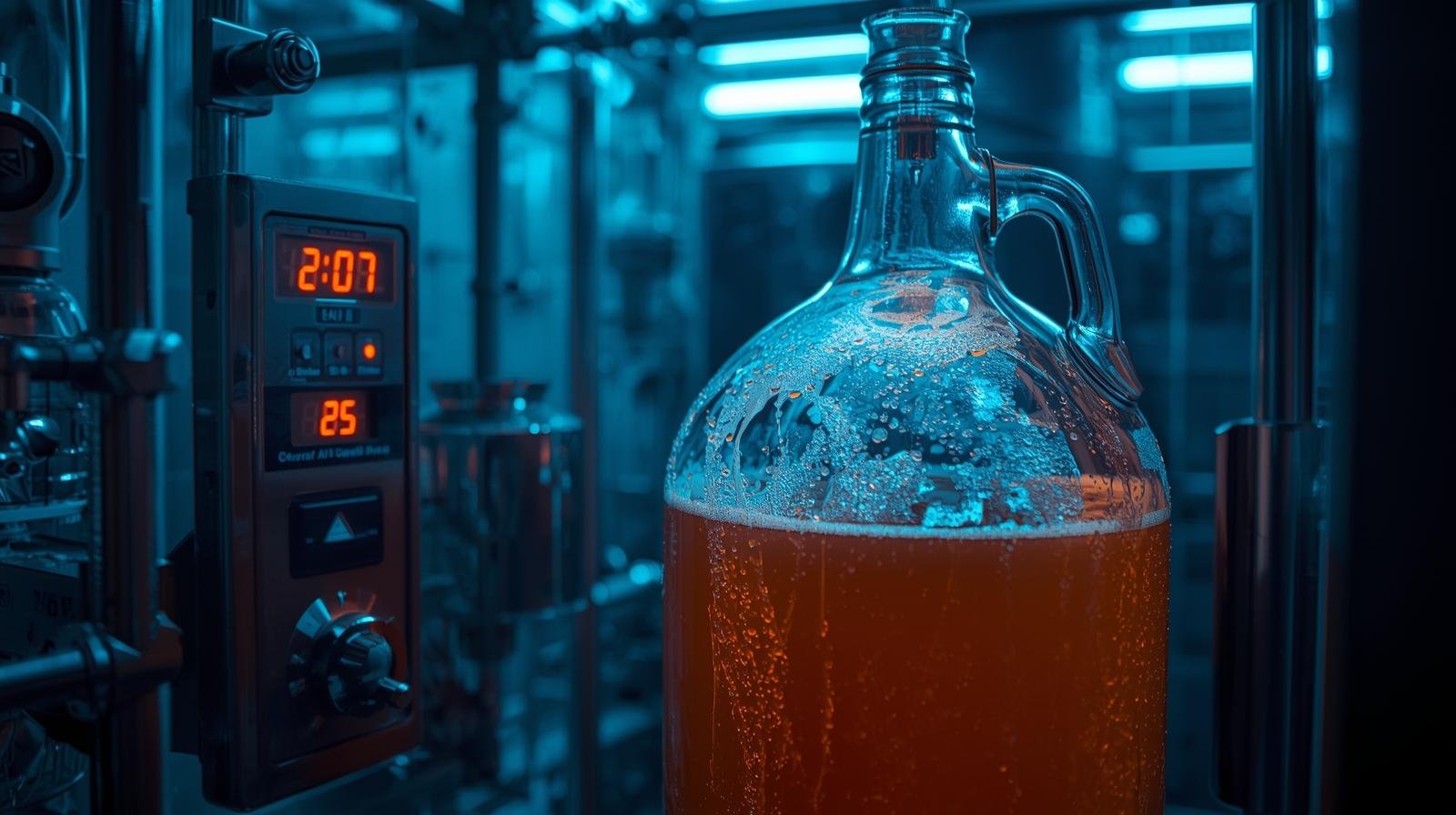
Temperature Control — Precision Over Patience
Target fermentation temperature matters more than most homebrewers admit.
Ideal Range:
- 64–67°F (18–19.5°C) during active fermentation
- Allow a rise to 68–70°F (20–21°C) near the end
Cool starts suppress ester formation. Controlled rises ensure full attenuation. This strategy is standard practice in professional IPA production and frequently referenced in technical articles on CraftBeer.com.
Temperature spikes introduce fruitiness and solvent notes. Stability keeps bitterness clean.
Oxygen & Pitch Rate — Invisible but Critical
West Coast IPA doesn’t forgive sloppy oxygen management.
Before Fermentation:
- Oxygenate chilled wort thoroughly
- Use fresh, properly rehydrated yeast
- Pitch at recommended cell counts
Healthy yeast reduces sulfur compounds and shortens fermentation time. Under-pitching forces yeast stress, which introduces unwanted byproducts—exactly the opposite of what the perfect west coast ipa requires.
Once fermentation begins, oxygen becomes the enemy.
Minimize transfers. Seal everything.
Fermentation Timeline — Let It Finish
- Day 1–3: Active fermentation
- Day 4–6: Gravity stabilizes
- Day 7–10: Conditioning phase
Resist the urge to rush. A clean finish needs time to settle. Many professional brewers recommend allowing fermentation to fully complete before any dry hopping to avoid hop creep and unintended sweetness, a concern discussed in brewing science resources linked through the BJCP.
Patience here preserves bitterness definition later.
Process Insight
West Coast IPA fermentation is subtraction, not addition.
- Fewer esters
- Fewer variables
- More control
When yeast behaves, hops speak clearly.
And that sets the stage for the final expression of aroma and bite—dry hopping, where precision matters more than quantity.
The Dry Hop Equation — Crisp, Resinous, Bright
Dry hopping is the final signal boost.
Not louder. Clearer.
For the perfect west coast ipa, dry hopping should sharpen aroma without blurring bitterness or body. This isn’t about saturation for its own sake. It’s about precision timing and oxygen discipline.
Think signal processing, not fireworks.
When to Dry Hop — Timing Is Everything
West Coast IPA benefits from post-fermentation dry hopping.
Recommended Window:
- Day 7–10, once gravity is stable
- Fermentation fully complete
- Yeast mostly settled
Dry hopping during active fermentation can trigger hop creep, reintroducing fermentable sugars and softening the finish. For a style defined by dryness, that’s a problem.
Research summarized by the Brewers Association shows that post-fermentation dry hopping reduces enzymatic activity while preserving volatile hop oils. Translation: cleaner aroma, tighter finish.
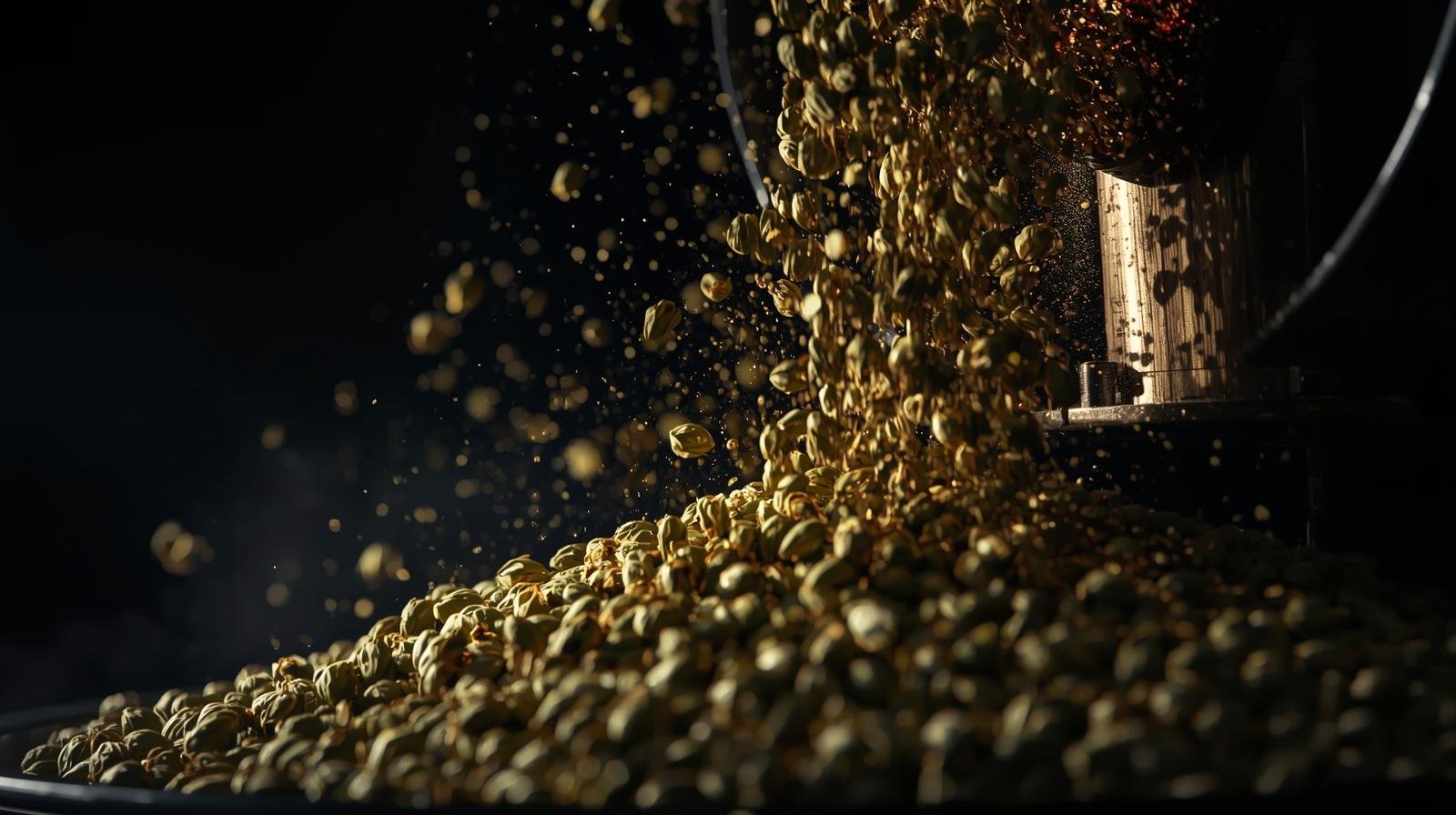
Hop Selection — Modern Classics, Clean Expression
Stick to hops that deliver resin, citrus, and structure.
Dry Hop Blend (per 5 gallons):
- Centennial — grapefruit, balance
- Simcoe — pine, subtle dankness
- Amarillo — orange peel, brightness
Total dry hop load: 3–4 oz (85–115 g)
More is not better. Oversaturation muddies aroma and introduces grassy notes. West Coast IPA should smell vivid, not vegetal.
CraftBeer.com’s hop aroma guides consistently emphasize restraint in classic IPA styles, especially when clarity and bitterness matter .
Temperature & Contact Time
Dry Hop Temperature:
- 60–65°F (15–18°C)
Contact Time:
- 3–4 days maximum
Longer contact extracts polyphenols and chlorophyll. That dulls aroma and adds harshness—two things that undermine the perfect west coast ipa profile.
After contact, cold crash immediately.
Cold Crash & Clarification
Cold crashing isn’t optional here.
It’s identity.
- Drop to 34–36°F (1–2°C)
- Hold for 48–72 hours
This step drops hop particles, yeast, and proteins out of suspension. The beer clears. The bitterness tightens. Aroma stays bright.
Clarity is a feature—not a flaw.
The BJCP guidelines for American IPA consistently note clarity and crispness as hallmarks of West Coast examples.
Process Insight
Dry hopping is not decoration.
It’s calibration.
- Right hops
- Right time
- Right temperature
When done well, the aroma lifts cleanly off the glass. Pine. Citrus. Resin.
Then the finish snaps shut.
That’s the West Coast signature.
Troubleshooting: Common West Coast IPA Pitfalls
Even experienced homebrewers miss the mark here.
West Coast IPA is unforgiving. Small errors echo loudly.
If your beer looks right but doesn’t snap, this is where to look.
Problem: The Beer Isn’t Clear
West Coast IPA should glow, not cloud.
Likely Causes:
- Excess protein from specialty malts
- Incomplete cold crash
- Dry hopping too warm or too long
- Yeast still in suspension
Fixes:
- Reduce crystal malt below 5% of the grist
- Cold crash at 34–36°F (1–2°C) for 48–72 hours
- Keep dry hop contact under four days
- Fine with gelatin if needed
Clarity is repeatedly emphasized in American IPA style references from the BJCP. Haze belongs elsewhere.
Problem: Harsh or Lingering Bitterness
Bitterness should bite, then disappear.
Likely Causes:
- Over-sparging
- High mash pH
- Excessive early-boil hops
- Poor water balance
Fixes:
- Stop sparging when gravity drops near 1.010
- Keep mash pH between 5.2–5.4
- Use clean bittering hops like Magnum
- Maintain a sulfate-forward but balanced water profile
The Brewers Association consistently notes that harsh bitterness often comes from process errors—not hop choice .
Problem: Grassy or Vegetal Aroma
This is a dry hop issue.
Likely Causes:
- Too much dry hopping
- Long contact time
- Warm dry hopping temperatures
Fixes:
- Cap dry hops at 3–4 oz per 5 gallons
- Limit contact to 3–4 days
- Dry hop cool, then crash quickly
Aromatic hops should feel crisp and fresh. If they smell like lawn clippings, extraction went too far.
Problem: Sweet or Flabby Finish
This kills drinkability.
Likely Causes:
- Mash temperature too high
- Incomplete fermentation
- Low sulfate levels
- Hop creep from early dry hopping
Fixes:
- Mash below 150°F (65.5°C)
- Verify final gravity stability
- Increase sulfate-to-chloride ratio
- Dry hop only after fermentation completes
CraftBeer.com’s IPA troubleshooting resources frequently highlight mash temperature and water chemistry as key drivers of perceived sweetness in hop-forward beers .
Process Insight
Most West Coast IPA problems aren’t ingredient failures.
They’re process drift.
- Too warm
- Too much
- Too rushed
Dial those back, and the beer snaps into focus.
Troubleshooting isn’t about fixing mistakes.
It’s about protecting intent.
Pairing, Serving & The BeerMadness Signal
A West Coast IPA doesn’t ask for attention.
It earns it.
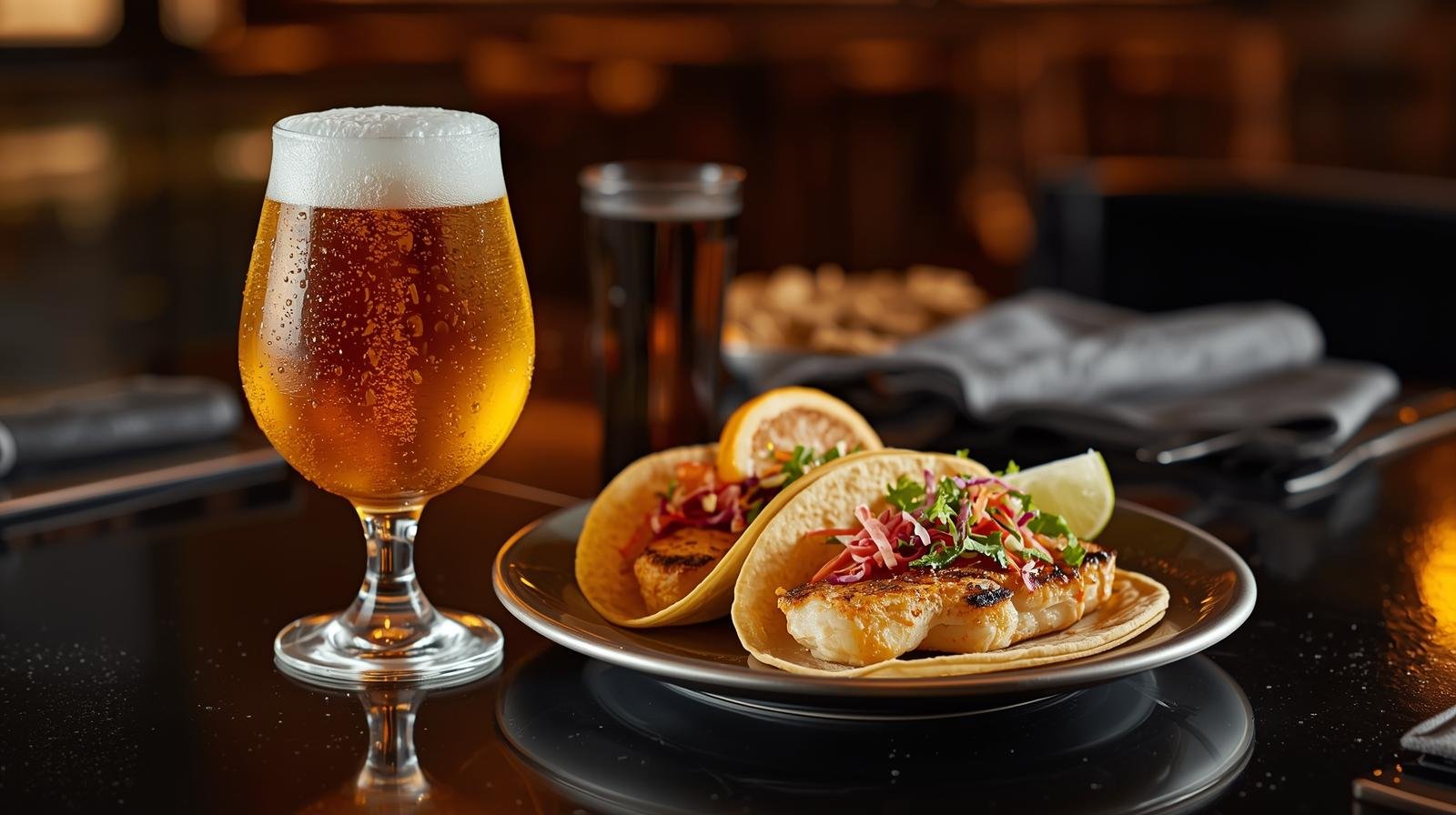
Once you’ve brewed the perfect west coast ipa, serving becomes the final act of control. Temperature, glassware, and context all shape how bitterness lands and how aroma lifts.
How to Serve It Right
- Glassware: Tulip or modern IPA glass
- Serving Temperature: 45–48°F (7–9°C)
- Carbonation: Medium-high, tight bubbles
Too cold and aroma locks up. Too warm and bitterness drags. This window keeps citrus bright and resin crisp.
Professional serving recommendations from the Brewers Association emphasize controlled temperature as essential for hop-forward styles—especially those built on clarity.
Food Pairings That Match the Snap
West Coast IPA thrives on contrast.
Ideal Pairings:
- Grilled fish tacos
- Sharp aged cheddar
- Spicy Thai or Korean dishes
- Charred vegetables with citrus vinaigrette
The beer’s bitterness cuts fat. The dryness resets the palate. Each sip clears space for the next bite.
The BeerMadness Signal
Brewing the perfect west coast ipa is about stripping away the excess.
No haze to hide behind.
No sweetness to soften the truth.
Just clean malt, assertive hops, and a finish that snaps like static under neon light.
In 2026, homebrewers don’t need guesswork. They have data. Control. Repeatability. What matters now is intent—knowing why each choice exists.
Part brewery.
Part lab.
Part tradition.
Part tomorrow.
If your beer finishes dry, glows clear, and smells like pine and citrus under cool night air—you didn’t just brew an IPA.
You tuned the signal.
Frequently Asked Questions: Brewing the Perfect West Coast IPA at Home
Below are the most common questions homebrewers ask when chasing the perfect west coast ipa. Each answer is designed for clarity, search intent, and real-world brewing success.
What defines the perfect West Coast IPA?
The perfect West Coast IPA is clear, dry, and hop-forward.
It emphasizes citrus and pine aromas, firm bitterness, minimal sweetness, and a clean fermentation profile. Unlike hazy IPAs, it prioritizes clarity, restraint, and a crisp finish.
What water profile is best for a West Coast IPA?
A sulfate-forward water profile is essential.
Target a sulfate-to-chloride ratio of roughly 3:1, with sulfate around 200–250 ppm. This sharpens bitterness and enhances dryness, both critical for achieving the perfect west coast ipa flavor profile.
Which yeast strain should I use for a West Coast IPA?
Choose a clean, neutral American ale yeast.
Chico-style strains are ideal because they attenuate well and produce minimal esters. This keeps the focus on hops rather than fruity yeast character, which is key to the style.
Why is my West Coast IPA cloudy?
Cloudiness usually comes from excess protein, yeast in suspension, or dry hopping issues.
Reduce specialty malts, cold crash thoroughly, limit dry hop contact time, and avoid dry hopping too warm. Clarity is a defining feature of the perfect west coast ipa.
When should I dry hop a West Coast IPA?
Dry hop after fermentation is complete, typically between days 7 and 10.
Post-fermentation dry hopping preserves aroma while preventing hop creep, which can add sweetness and dull the dry finish expected in West Coast IPAs.
How bitter should a West Coast IPA be?
Most classic examples fall between 55 and 65 IBUs.
The bitterness should be assertive but clean, never harsh or lingering. Proper water chemistry and clean bittering hops matter more than chasing higher IBU numbers.
Can I brew a session-strength West Coast IPA?
Yes, but balance becomes even more important.
Lower-gravity West Coast IPAs require precise hopping and water chemistry to maintain bitterness without thinness. Keep the mash highly fermentable and avoid excessive crystal malt.
How long should I condition a West Coast IPA before drinking?
West Coast IPAs are best enjoyed fresh.
After fermentation, dry hopping, and cold crashing, allow 7–10 days of cold conditioning. Drink within the first 4–6 weeks to preserve hop aroma and brightness.