Artificial intelligence (AI) is no longer reserved for tech giants—it’s now pouring into our pint glasses. In 2025, the AI in craft beer industry is accelerating at a remarkable pace, reshaping how breweries design recipes, manage fermentation, and deliver personalized beer experiences.
Craft beer has always been about creativity and community, but behind the artistry lies the constant challenge of consistency, efficiency, and staying competitive. From local taprooms to global icons, breweries are finding that AI offers a new way to balance tradition with technology.
At BeerMadness, we’ve seen this transformation firsthand. Just as hop-driven innovations defined the Top 10 IPA Beers in the UK 2025, AI-driven brewing promises to redefine what excellence means in the industry.
In this article, you’ll discover how AI is helping brewers craft beers with greater precision, reduce waste, and even design flavors guided by consumer data. For a taste of how innovation drives growth, you can also explore our guide on Top Craft Breweries with Affiliate Program in 2025.
This post may contain affiliate links. If you click and purchase, I may receive a small commission at no extra cost to you. Learn more
Why AI and Craft Beer? A Perfect Match
The relationship between AI and brewing might seem unusual at first glance, but it’s a natural evolution. Brewing has always combined artistry and science, and AI now strengthens that connection by providing brewers with insights that were once impossible to achieve at scale.
Balancing Art and Science in Brewing
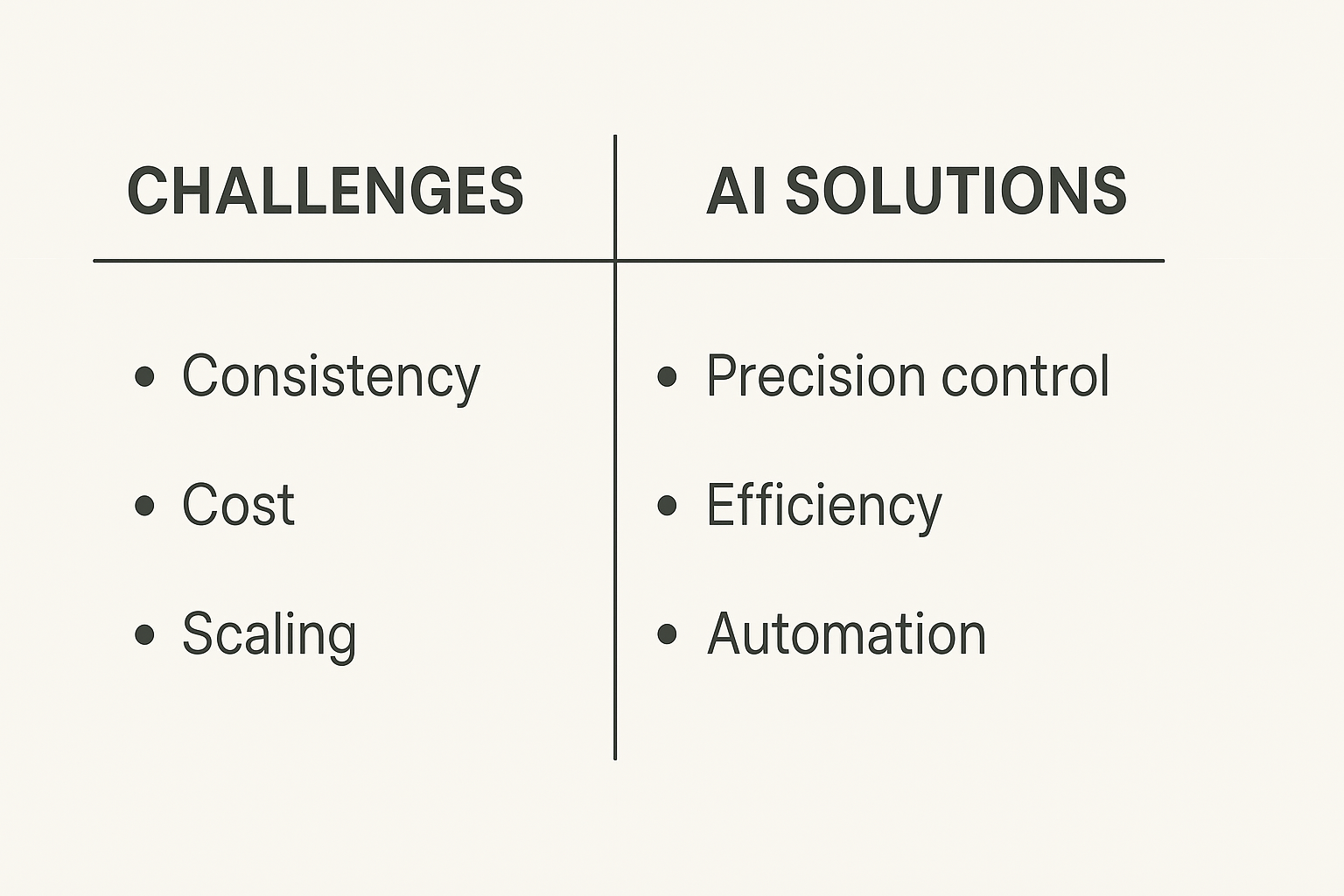
Brewers have long experimented with malt, hops, and yeast to create distinctive beers. Yet scaling those recipes while keeping quality consistent can be challenging. According to the Brewers Association, consistency remains one of the top hurdles for craft brewers worldwide. AI helps overcome this by analyzing brewing data in real time, offering recommendations that enhance flavor while preserving creativity.
Challenges Craft Brewers Face Today
- Batch Variability: Subtle differences in yeast activity or fermentation temperature can lead to off-flavors.
- Scaling Recipes: Flagship beers often lose character when production ramps up.
- Operational Costs: Rising energy and ingredient costs squeeze margins.
- Market Saturation: With thousands of breweries competing for attention, standing out is harder than ever.
How AI Brings Solutions
- Predictive Analytics: AI tools forecast fermentation outcomes, minimizing waste.
- Ingredient Optimization: Platforms like IntelligentX use machine learning to suggest hop and malt combinations for targeted flavor profiles.
- Automation Efficiency: Smart brewing systems reduce energy and water use, making operations more sustainable.
- Consumer Insights: AI-powered apps help brewers anticipate consumer preferences, leading to more successful beer launches.
How AI Is Already Used in Brewing in 2025
The AI in craft beer industry is no longer a futuristic concept—it’s already transforming breweries worldwide. From recipe development to supply chain optimization, artificial intelligence is now a core tool for both established brands and ambitious microbreweries.
Recipe Development & Flavor Profiling
One of the most exciting applications of AI is in recipe design. By analyzing data from yeast strains, hop oils, and malt profiles, AI systems can suggest unique flavor combinations that might never occur to a human brewer. The UK-based IntelligentX Beer is a pioneer in this space, using machine learning to adapt its recipes based on real-time customer feedback.
Quality Control & Consistency
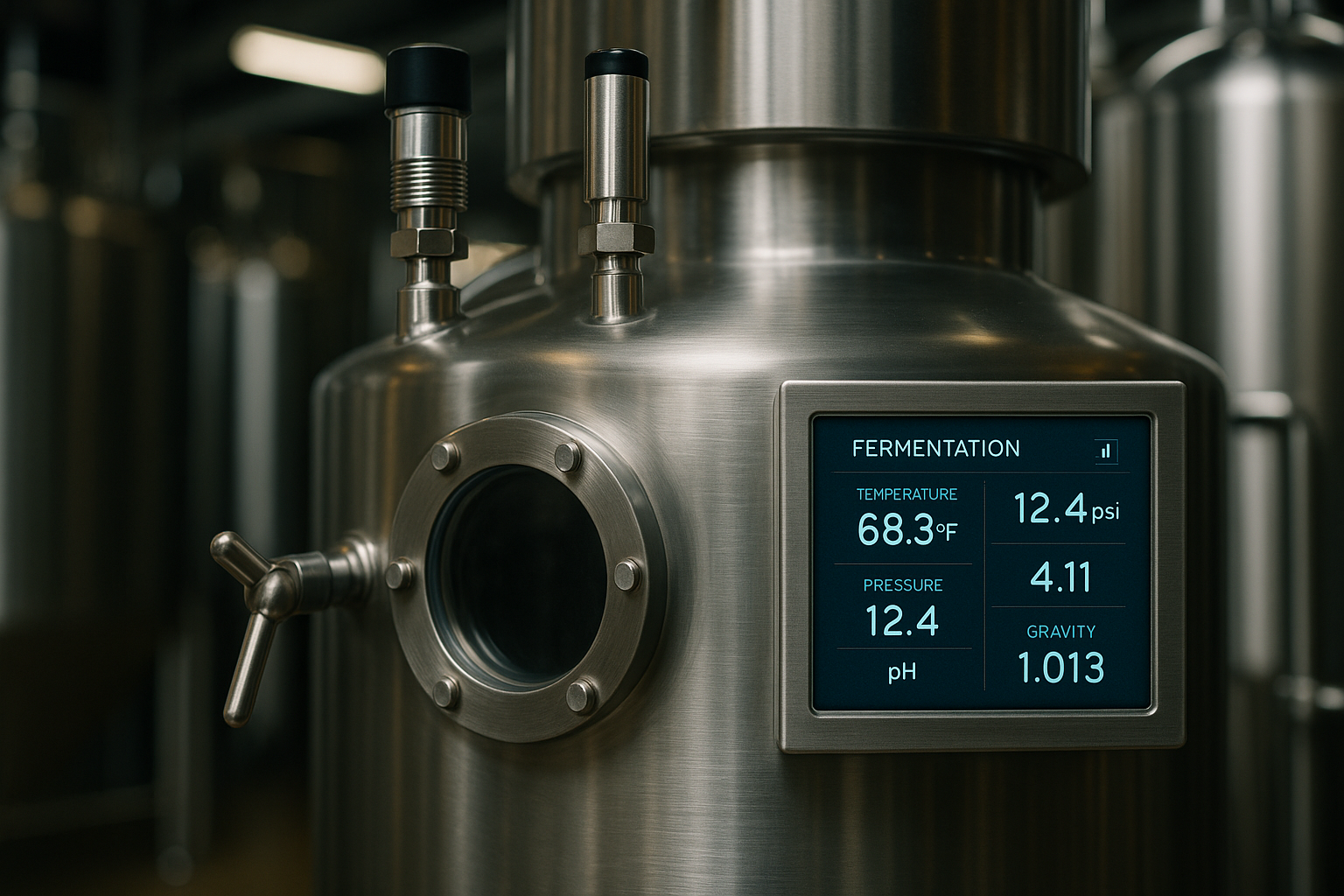
Maintaining consistent quality is one of the toughest challenges in brewing. Slight shifts in temperature, water chemistry, or yeast activity can alter a beer’s final profile. AI-driven monitoring tools are changing that. By tracking fermentation conditions in real time, breweries can now correct issues before they ruin a batch.
This innovation is not only helping large-scale producers but also empowering smaller brewers to maintain the kind of reliability that beer enthusiasts expect. For more on how precision shapes flavor, check out our piece on Sustainable Brewing Practices (internal link).
Supply Chain & Ingredient Management
Efficient ingredient management is critical in today’s crowded craft beer market. AI platforms are increasingly being used to forecast demand, ensuring brewers don’t run out of specialty hops or overstock perishable grains. According to the Brewers Association, supply chain disruptions remain one of the biggest risks for breweries, and predictive analytics is becoming a vital solution.
Travelers visiting beer capitals can even see these innovations firsthand—companies like Viator offer guided brewery tours where sustainability and smart brewing technology are front and center.
Smart Brewing Equipment
Beyond software, AI is also integrated directly into brewing hardware. Intelligent fermenters, mash tuns, and automated cleaning systems reduce manual labor and energy consumption. What used to be the preserve of mega-breweries is now accessible to smaller craft producers—and even to serious hobbyists.
If you’re a homebrewer looking to bring that same level of precision into your kitchen or garage, smart brewing controllers and fermentation sensors are widely available on Amazon UK. These tools mirror the same innovations that professional breweries are using to keep their beers consistent.
In 2025, AI in craft beer industry is used for recipe development, quality control, supply chain optimization, and smart brewing equipment—helping breweries achieve greater efficiency, consistency, and creativity.
Case Studies – Breweries Leveraging AI in 2025
The best way to see how AI in craft beer industry works in practice is by looking at real breweries using it today. From pioneering startups to global giants, here are the key players shaping brewing in 2025:
Examples of breweries using AI in 2025 include:
- IntelligentX Beer (UK): Machine learning for recipe development based on customer feedback.
- Carlsberg (Denmark): AI “Beer Fingerprinting” to speed up quality control.
- American Craft Breweries: Predictive analytics for energy and ingredient management.
- Microbreweries & Startups: Affordable AI brewing systems improving consistency and sustainability.
IntelligentX Beer – The Pioneer of AI Brewing
- What they do: Use machine learning to refine beer recipes with real-time customer reviews.
- Impact: Creates beers that evolve continuously to match consumer preferences.
- Learn more: IntelligentX official site.
Carlsberg’s Beer Fingerprinting Project
- What they do: Use AI sensors to analyze beer chemistry, cutting quality control time.
- Impact: Identifies flavors and aromas faster and with greater precision.
- Source: FoodNavigator on Carlsberg’s AI project.
§📌 Visiting Denmark? Book nearby stays with Hotels.com and explore Carlsberg’s mix of heritage and high-tech brewing.
American Craft Breweries – Data Meets Creativity
- What they do: Employ predictive analytics to optimize ingredient use and energy efficiency.
- Impact: Reduces costs while maintaining innovation in highly competitive markets.
Microbreweries & Startups – Leveling the Playing Field
- What they do: Adopt smaller-scale AI brewing systems through collaborations with tech startups.
- Impact: Achieve consistency, reduce waste, and tailor beers for niche audiences.
- Trend: Democratises innovation once limited to major breweries.
👉 Key Takeaway: In 2025, breweries worldwide—from IntelligentX in the UK to Carlsberg in Denmark, American independents, and global microbreweries—are proving that AI is not replacing brewers but empowering them to craft better, more consistent, and more sustainable beers.
Benefits of AI in Craft Beer Industry
The rise of AI in craft beer industry isn’t just about technology—it’s about delivering real value to brewers and beer lovers. From consistency to sustainability, the advantages are already transforming the way breweries operate in 2025.
Main benefits of AI in craft beer industry include:
- Improved Consistency & Quality Assurance
- Cost Efficiency & Sustainability
- Personalized Beer Experiences
- Faster Innovation & Time-to-Market
Improved Consistency & Quality Assurance
- Challenge: Craft breweries often struggle with batch-to-batch variations caused by yeast behavior, temperature swings, or ingredient inconsistencies.
- AI Solution: Real-time monitoring tools ensure optimal fermentation conditions, catching issues before they spoil a batch.
- Impact: Helps small breweries achieve the same consistency that major beer producers deliver.
🍺 Beer fans can taste consistent classics or innovative releases via BeersOfEurope.
Cost Efficiency & Sustainability
- Challenge: Rising costs for energy, water, and ingredients put pressure on margins.
- AI Solution: Smart brewing systems optimize resource use—reducing water waste, energy consumption, and ingredient loss.
- Impact: Makes brewing more eco-friendly and cost-effective, aligning with global sustainability goals.
According to the Brewers Association, sustainability is one of the top concerns for brewers today. AI provides measurable improvements while cutting costs.
Personalized Beer Experiences
- Challenge: Consumers increasingly demand unique, tailored beer experiences.
- AI Solution: Algorithms analyze consumer taste preferences, beer ratings, and purchase history.
- Impact: Breweries can release limited editions or recommend perfect food pairings based on customer data.
🍴 Want to explore pairings? Some breweries offer beer-and-cheese experiences—bookable through Viator tours.
Faster Innovation & Time-to-Market
- Challenge: Traditional trial-and-error recipe testing is expensive and time-consuming.
- AI Solution: Predictive models simulate brewing outcomes, helping brewers launch new beers in weeks instead of months.
- Impact: Breweries stay competitive by keeping up with fast-changing consumer trends.
For homebrewers, smart kits on Amazon UK offer a taste of this innovation, letting enthusiasts experiment with data-driven brewing at home.
👉 Key Takeaway: The AI in craft beer industry brings tangible benefits: better quality, reduced costs, personalized drinking experiences, and faster innovation cycles. This balance of efficiency and creativity ensures that craft beer remains exciting while becoming more sustainable and accessible.
Challenges and Ethical Questions
While the AI in craft beer industry brings innovation and efficiency, it also raises important challenges and ethical questions. Brewers and beer lovers alike are debating how much technology is too much in an artisanal craft.
Main challenges of AI in craft beer industry include:
- Risk of Over-Automation & Loss of Tradition
- High Costs & Accessibility for Small Breweries
- Data Dependency & Security Concerns
- Consumer Perception of AI-Generated Beers
Risk of Over-Automation & Loss of Tradition
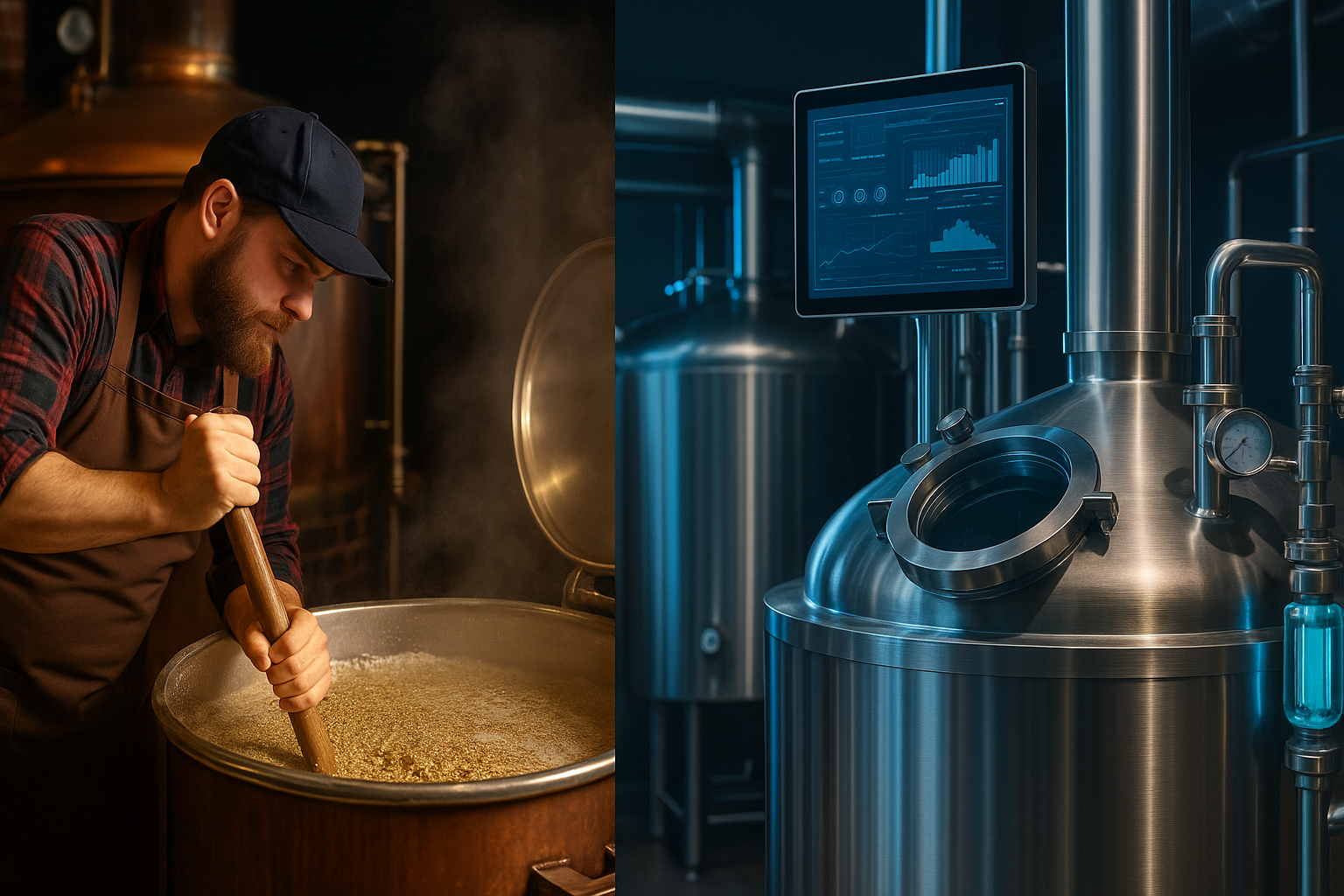
- Concern: Some purists worry that AI could make brewing feel too mechanical, stripping away the artistry and human intuition that define craft beer.
- Debate: Should technology enhance the brewer’s role—or replace it?
- Balance: AI is most effective when paired with human creativity, not as a substitute.
High Costs & Accessibility for Small Breweries
- Concern: AI systems, sensors, and smart equipment can be expensive, making them out of reach for many independent brewers.
- Impact: Creates a potential gap between tech-savvy breweries and smaller ones struggling to compete.
- Solution: As with most technologies, costs are expected to decrease, making AI tools more accessible in the near future.
Data Dependency & Security Concerns
- Concern: AI depends on large datasets—about recipes, consumer preferences, and production runs. Improper handling could create risks around data ownership and misuse.
- Example: Breweries relying on third-party platforms may lose control of their proprietary brewing knowledge.
- Future Need: Clear guidelines and transparency in how brewing data is stored and used.
Consumer Perception of AI-Generated Beers
- Concern: Some beer drinkers are skeptical about whether AI-designed beers can truly match the soul of a brewer’s craft.
- Impact: While adventurous drinkers enjoy novelty, traditionalists may resist machine-designed flavors.
👉 Key Takeaway: The AI in craft beer industry faces challenges of over-automation, cost barriers, data dependency, and consumer skepticism. The key is finding the right balance—embracing AI as a tool while preserving the tradition and artistry that make craft beer unique.
AI and the Beer Lover Experience in 2025
AI isn’t only helping breweries—it’s also transforming the way beer lovers discover, enjoy, and personalize their drinking experiences.
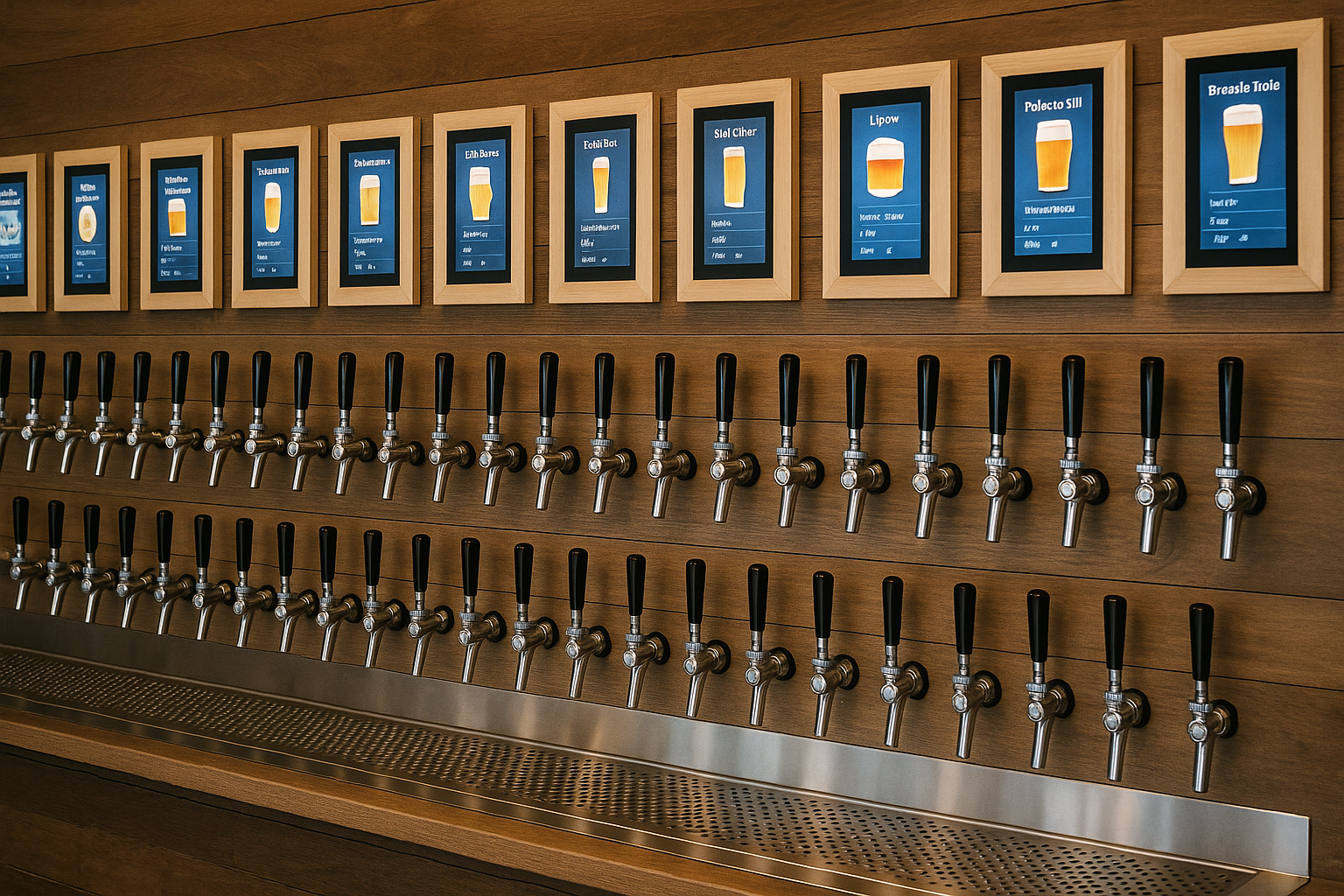
AI enhances the beer lover experience in 2025 through:
- AI-Powered Beer Recommendation Apps
- Smart Bars and Taprooms
- Personalized Beer Subscriptions & Pairings
AI-Powered Beer Recommendation Apps
- What they do: Apps analyze your taste history, check-ins, and reviews to suggest new beers that match your preferences.
- Impact: Makes exploring styles—like IPAs, stouts, or Belgian dubbels—easier than ever.
- Example: Untappd and emerging AI-driven platforms refine suggestions in real time.
Smart Bars and Taprooms
- What they do: Bars use AI-powered draft systems to monitor demand, pour perfect pints, and predict which beers will sell best.
- Impact: Reduces waste, keeps beer fresher, and ensures popular kegs are always on tap.
- Trend: Some taprooms are experimenting with AI-driven self-pour walls that personalize serving sizes.
Personalized Beer Subscriptions & Pairings
- What they do: AI curates monthly subscription boxes or recommends food pairings tailored to your taste.
- Impact: Instead of generic mixed packs, you get beers matched to your palate and seasonal dining habits.
- Example: Some services now offer AI-driven beer-and-cheese or beer-and-chocolate pairing subscriptions.
👉 Key Takeaway: In 2025, the AI in craft beer industry doesn’t just help brewers—it transforms the consumer experience. From apps that recommend your next favorite IPA to smart taprooms and personalized subscription boxes, AI makes enjoying beer more interactive, efficient, and tailored than ever before.
The Future of AI in Craft Beer Industry
Looking beyond 2025, the AI in craft beer industry is expected to grow even more influential. As technology becomes more affordable and consumer tastes evolve, the future of brewing could be shaped by innovations that feel straight out of science fiction.
Future trends of AI in craft beer industry may include:
- Deeper Integration by 2030 and Beyond
- AR/VR Beer Experiences
- Global Expansion of AI Brewing Tools
- AI as a Collaborative Tool, Not a Replacement
Deeper Integration by 2030 and Beyond
- Prediction: By 2030, AI will be standard in recipe design, fermentation control, and supply chain optimization.
- Impact: Even small breweries will be able to afford AI systems, leveling the competitive field.
- Source: A PwC report predicts AI adoption across industries will accelerate as costs decrease.
AR/VR Beer Experiences
- What’s coming: Imagine putting on a headset and joining a virtual brewery tour—or tasting beer while guided by an AI-driven AR overlay explaining flavor notes.
- Impact: Enhances education, tourism, and consumer engagement.
- Trend: Some wineries are already experimenting with AR labels; beer is next.
Global Expansion of AI Brewing Tools
- Prediction: While early adoption is strongest in Europe and North America, breweries in Asia and South America are beginning to experiment with AI-driven brewing systems.
- Impact: Creates a more globally connected beer culture, where data and recipes can be shared across continents.
AI as a Collaborative Tool, Not a Replacement
- Concern: Will brewers be replaced by machines?
- Reality: The most likely scenario is collaboration—AI handles data, precision, and predictions, while human brewers focus on creativity, storytelling, and community.
- Impact: Preserves the heart of craft beer while pushing innovation further.
👉 Key Takeaway: The future of AI in craft beer industry lies in collaboration, accessibility, and global expansion. By 2030, expect AI to become as common in breweries as stainless steel tanks—empowering brewers to innovate faster while preserving the human artistry that defines craft beer.
Practical Tips for Breweries Considering AI
For breweries curious about adopting AI, it can feel overwhelming to know where to start. The good news is that entering the AI in craft beer industry doesn’t require a complete overhaul—small, focused steps can deliver big results.
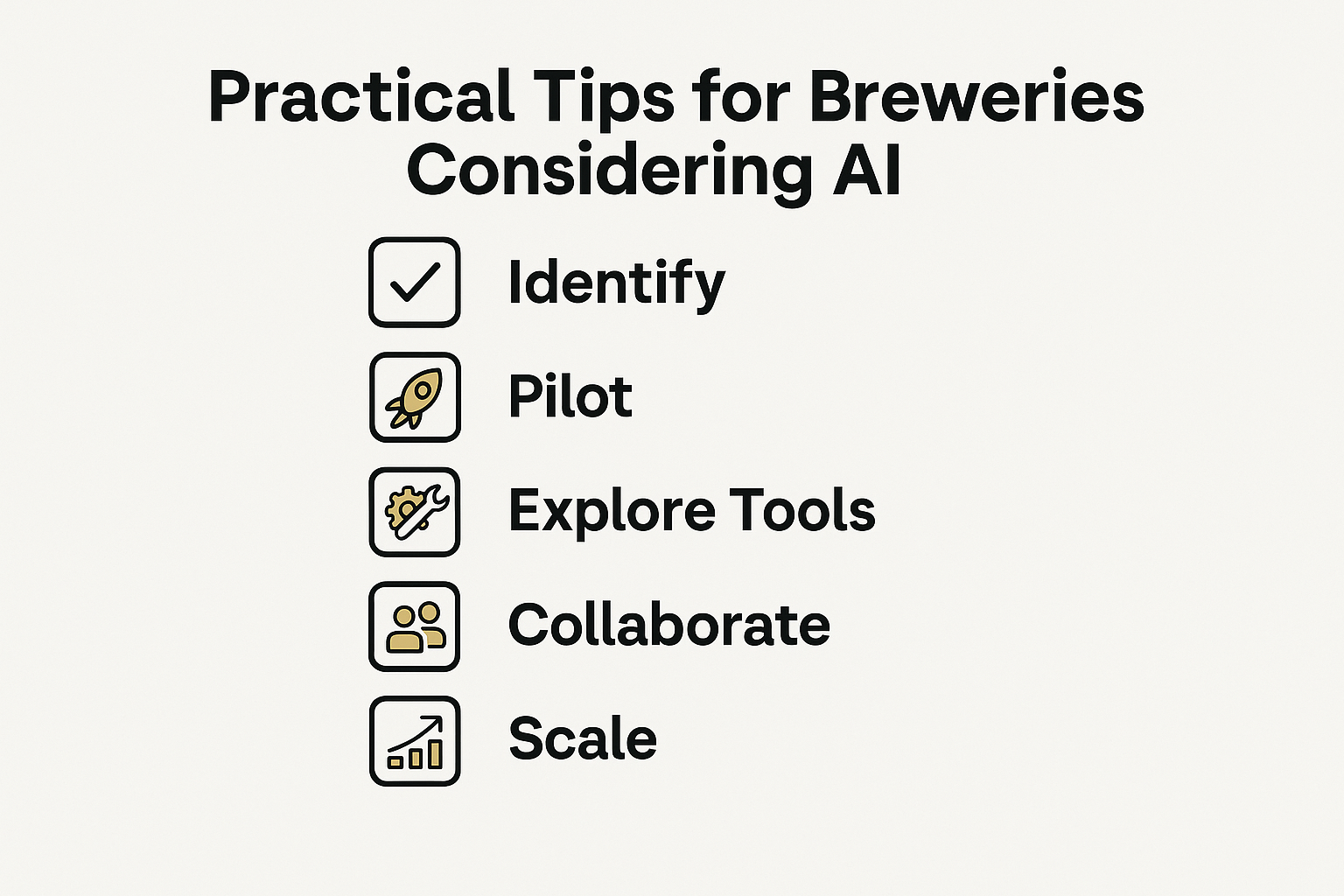
Practical tips for breweries adopting AI in 2025:
- Identify Key Challenges First
- Start Small with Pilot Projects
- Explore AI Software & Hardware Options
- Collaborate with AI-Focused Partners
- Track Results and Scale Gradually
1. Identify Key Challenges First
- Advice: Before investing in AI, breweries should pinpoint their biggest pain points—whether it’s consistency, recipe innovation, or supply chain management.
- Impact: Helps avoid unnecessary costs and ensures the right solution for your brewery’s needs.
📌 Related: Our upcoming guide on Sustainable Brewing Practices (internal link) covers how tech solutions solve common brewing challenges.
2. Start Small with Pilot Projects
- Advice: Implement AI on a limited scale, such as using sensors in one fermenter or testing recipe software for a seasonal release.
- Impact: Minimizes risk while allowing brewers to evaluate real-world results.
3. Explore AI Software & Hardware Options
- Advice: From predictive analytics platforms to smart fermenters, there are solutions for different budgets. Even homebrewers can experiment with intelligent brewing controllers.
- Many smart brewing kits and fermentation sensors are available on Amazon UK, making AI experimentation accessible without large investments.
4. Collaborate with AI-Focused Partners
- Advice: Breweries can team up with startups specializing in AI brewing systems, gaining access to cutting-edge tools at lower costs.
- Impact: Partnerships also open doors to innovation grants, marketing buzz, and consumer trust.
5. Track Results and Scale Gradually
- Advice: Measure outcomes such as consistency, waste reduction, or sales growth. Once ROI is clear, scale the AI system to more parts of the brewery.
- Impact: Ensures sustainable adoption and avoids overspending on unnecessary features.
👉 Key Takeaway: For breweries considering AI, the best approach is to start small, measure success, and grow strategically. With affordable options available today, even microbreweries can join the AI in craft beer industry revolution without losing their creative edge.
Frequently Asked Questions (FAQ) – AI in Craft Beer Industry
What does AI do in the craft beer industry?
AI in craft beer industry is used for recipe development, quality control, supply chain optimization, and smart brewing equipment. It helps brewers achieve consistency, reduce costs, and create innovative flavor profiles.
Which breweries are already using AI?
Several breweries have adopted AI in brewing, including:
– IntelligentX Beer (UK) – machine learning for recipe refinement.
– Carlsberg (Denmark) – Beer Fingerprinting Project for flavor analysis.
– Independent US breweries – predictive analytics for ingredient management.
Is AI replacing human brewers?
No. AI acts as a collaborative tool, not a replacement. It manages data and precision, while brewers focus on creativity, storytelling, and community. The best results come when AI supports, rather than replaces, traditional brewing methods.
Can small breweries afford AI technology?
At first, AI systems were expensive. But in 2025, more affordable software and smart brewing devices have entered the market. Even microbreweries can integrate basic AI tools like fermentation sensors or recipe analytics.
How does AI improve the beer lover’s experience?
AI helps consumers through:
– Recommendation apps that suggest beers based on taste history.
– Smart taprooms with AI-powered draft systems.
– Personalized subscriptions tailored to individual preferences.
What’s next for AI in craft beer?
By 2030, AI is expected to become standard in brewing. Future possibilities include AR/VR beer tastings, global recipe-sharing platforms, and AI-driven personalization at scale.
👉 Key Takeaway: The AI in craft beer industry enhances brewing and drinking experiences while preserving tradition. Whether you’re a brewer or a beer enthusiast, AI is set to play a major role in shaping the future of beer.
Conclusion – Raising a Glass to Smarter Brewing
The AI in craft beer industry has moved from concept to reality, transforming the way brewers create, manage, and share their beers. From pioneering breweries like IntelligentX to global players like Carlsberg, AI is helping solve age-old challenges of consistency, cost, and efficiency—while opening doors to new levels of creativity.
For beer lovers, the benefits are equally exciting. Smart recommendation apps, AI-powered taprooms, and personalized subscriptions mean that discovering your next favorite pint is easier and more tailored than ever. Importantly, AI doesn’t replace the artistry of brewing—it amplifies it, ensuring tradition and innovation coexist in the glass.
👉 Whether you’re a brewer considering AI tools or a craft fan eager to taste innovation, now is the time to get involved.
- Explore cutting-edge beers from around the world on BeersOfEurope.
- Experiment with smart brewing gear available on Amazon UK.
- Plan an immersive brewery tour with Viator and book nearby stays with Hotels.com.
Raise your glass—the future of brewing is here, and it’s smarter, more sustainable, and more exciting than ever. 🍻