Neon, Steam & Fermentation
Tokyo breathes differently after dark.
The air carries steam from ramen stalls, electric hum from overhead lines, and the quiet clink of glass against polished wood.
Step into a narrow alley in Shibuya and a door slides open.
Warm light spills onto wet pavement.
Inside, stainless steel gleams beneath violet neon.
A tap handle tilts.
Foam rises.
This is Japan Craft Beer — precise, patient, quietly radical.
For decades, Japan was defined internationally by crisp industrial lagers.
Efficient. Clean. Consistent.
Yet beneath that polished surface, something was fermenting.
A cultural recalibration.
A shift from volume to voice.
From macro-scale precision to small-batch identity.
The turning point came in 1994, when Japan’s government lowered the minimum production requirement for beer licenses. According to Japan’s National Tax Agency, the reform reduced the required annual output from 2 million liters to 60,000 liters, opening the door to small producers.
Suddenly, “ji-biru” — local beer — became possible.
The first wave was enthusiastic but uneven.
Many breweries lacked experience.
Quality fluctuated.
Some disappeared as quickly as they arrived.
But the seed was planted.
And like fermentation itself, progress required time, temperature control, and patience.
Today, Japan Craft Beer has matured into one of the most technically refined scenes in Asia.
It blends American hop expression with Japanese discipline.
It respects German lager traditions.
It experiments with yuzu, sansho pepper, rice, and regional water profiles.
It moves quietly.
But confidently.
In global competitions such as the World Beer Cup, organized by the Brewers Association, Japanese breweries have increasingly appeared among medalists — proof that technique and creativity are converging.
More importantly, the culture has shifted domestically.
Taprooms are no longer curiosities.
They are part of urban nightlife.
Izakayas rotate seasonal kegs.
Drinkers ask about yeast strains.
Flavor has become conversation.
Japan Craft Beer is not loud.
It doesn’t chase spectacle.
It refines.
It calibrates.
It glows.
Like neon against wet asphalt.
And this journey — from tax reform to rooftop toasts — reveals something larger than beer.
It reveals how a nation known for precision engineering is reshaping fermentation with the same mindset.
Part brewery.
Part laboratory.
Part izakaya.
Part tomorrow.
From Sake Nation to Craft Renaissance
Japan has brewed longer than most drinkers realize.
But for centuries, the country’s fermentation identity centered on sake.
Rice. Koji. Controlled precision.
Beer arrived later — first through Dutch traders in Nagasaki during the Edo period, then formally in the late 19th century as Japan industrialized.
By the early 1900s, large breweries dominated the market.
Names like Asahi Breweries, Kirin Brewery Company, and Sapporo Breweries shaped modern Japanese beer culture.
Clean lagers became the national standard.
Crisp. Dry. Efficient.
In 1987, Asahi launched Super Dry — a beer that defined an era with its sharp finish and minimal sweetness.
It mirrored Japan’s economic momentum.
Polished. Controlled. Consistent.
But consistency can create quiet restlessness.
By the early 1990s, consumer curiosity was growing.
Travel to the United States exposed Japanese drinkers to American craft brewing — hop-forward pale ales, expressive yeast profiles, small-batch experimentation.
Then came 1994.
The regulatory shift that changed everything.
According to Japan’s National Tax Agency, the minimum annual production volume for a beer license dropped dramatically — from 2 million liters to 60,000 liters.
For the first time, small producers could legally enter the market.
The result was an explosion of new breweries.
More than 200 opened within a few years.
The term “ji-biru” — literally “local beer” — became a buzzword.
But enthusiasm outpaced expertise.
Some breweries focused more on novelty than balance.
Tourism-driven operations emphasized souvenirs over sensory structure.
Quality fluctuated.
By the early 2000s, many early entrants had closed.
The first wave receded.
What remained was experience.
And discipline.
The Second Fermentation
The second wave of Japan Craft Beer did not arrive loudly.
It arrived deliberately.
Brewers trained abroad.
Some studied in the United States.
Others deepened their knowledge of German and Belgian traditions.
The emphasis shifted from novelty to technical rigor.
Water chemistry mattered.
Yeast management became obsessive.
Sanitation protocols mirrored pharmaceutical standards.
In this phase, Japan’s cultural strengths aligned perfectly with craft brewing.
Precision.
Process control.
Respect for materials.
Breweries such as Japan Craft Beer Association began supporting education and professional standards.
Meanwhile, global awareness expanded.
The Brewers Association reports steady international growth in craft beer exports, with Asian markets becoming increasingly engaged.
Japanese breweries started appearing in global competitions.
At the World Beer Cup, Japanese producers have earned medals across categories — from German-style lagers to experimental ales.
Recognition followed refinement.
But the most significant transformation happened domestically.
Urban consumers evolved.
They no longer wanted beer as background refreshment.
They wanted flavor as foreground experience.
Taprooms in Tokyo, Osaka, and Yokohama became social hubs.
Menus listed IBU levels.
Staff explained yeast strains.
Drinkers compared hop varieties the way sommeliers compare vintages.
Japan Craft Beer was no longer an offshoot.
It was part of modern Japanese nightlife.
Tradition, Rewritten in Stainless Steel
There is something poetic about this transition.
Japan never abandoned precision.
It redirected it.
The same mindset that refines sushi rice now calibrates mash temperatures.
The same attention that perfects ramen broth now adjusts fermentation curves.
Beer did not replace sake.
It joined it.
Today, Japan Craft Beer sits at a cultural intersection:
Global influence.
Local identity.
Scientific control.
Artistic restraint.
It moves quietly, but the momentum is visible.
According to data from Japan’s National Tax Agency, the number of licensed small breweries continues to grow steadily, even as overall beer consumption shifts.
Quality is now the differentiator.
And quality, in Japan, is rarely accidental.
This is not a revolution.
It is a refinement.
Part imported inspiration.
Part domestic discipline.
Part nostalgia for the first ji-biru boom.
Part recalibrated future.
Under neon light, stainless steel reflects pink and blue.
Fermentation tanks hum softly.
The renaissance is not loud.
It is precise.
Tokyo After Dark: The Capital of Japan Craft Beer
Tokyo does not sleep.
It shifts frequencies.
Office towers dim.
Lanterns glow.
Train lines pulse beneath the city like illuminated veins.
And somewhere between Shibuya Crossing and a quiet backstreet in Kanda, taps begin to open.
Tokyo is the epicenter of Japan Craft Beer — not because it produces the most volume, but because it concentrates curiosity.
Here, density accelerates taste.
A ten-minute walk can take you from a standing tachinomi bar pouring pilsner to a multi-tap brewpub experimenting with barrel-aged stouts.
Urban compression becomes creative pressure.
Flavor evolves faster.
Shibuya, Ebisu & Kanda: Where Neon Meets Fermentation
In Shibuya, the energy is kinetic.
Music spills from doorways.
Screens flash overhead.
Inside narrow taprooms, stainless steel shines under violet LEDs.
Beer menus read like tasting notes.
Citrus zest.
White pepper.
Soft rice sweetness.
In Ebisu — historically linked to beer culture — the atmosphere shifts.
Softer lighting.
Longer pours.
More conversation.
Kanda, meanwhile, blends business district precision with after-work release.
Salarymen loosen ties.
Pints replace canned highballs.
The city breathes through glassware.
Breweries Defining the Tokyo Scene
Several breweries have helped shape Tokyo’s craft identity.
Each with a different accent.
Baird Brewing Company
Founded in 2000, Baird became one of the pioneers of Japan’s second craft wave.
Its philosophy blends American inspiration with Japanese discipline.
Beers range from hop-forward IPAs to robust porters.
Balance is central.
Their taprooms, including locations in Tokyo, reflect a community-first ethos.
Official site: https://bairdbeer.com
Kiuchi Brewery (Hitachino Nest Beer)
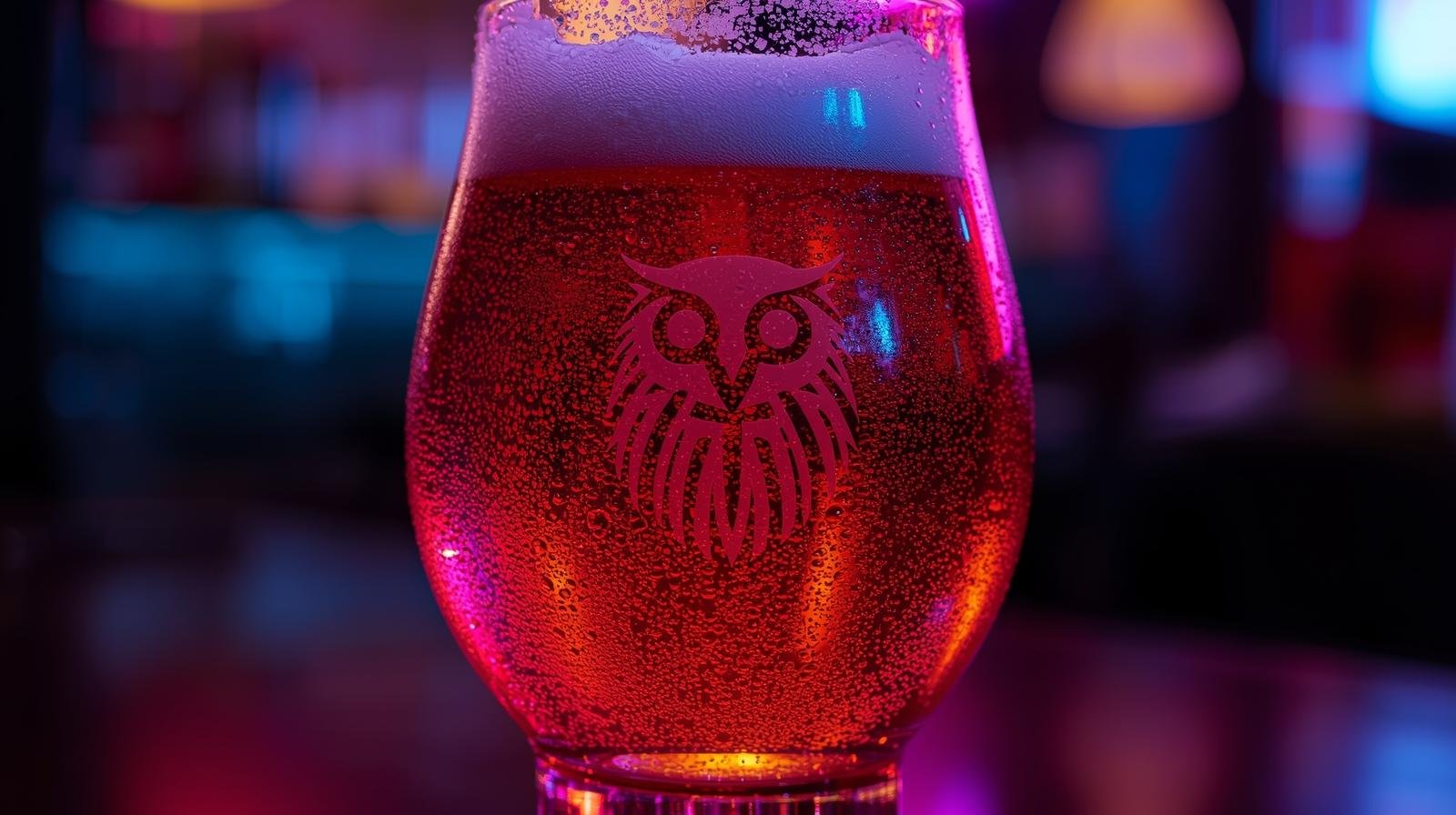
Recognizable by its owl logo, Hitachino Nest has become one of Japan’s most internationally visible craft brands.
Belgian-style ales.
Espresso stouts.
Japanese rice lagers.
The brewery’s global exports signal how Japan Craft Beer travels beyond neon borders.
Official site: https://hitachino.cc
Yo-Ho Brewing Company (Yona Yona Ale)
Known for its flagship Yona Yona Ale, Yo-Ho helped normalize pale ales in Japan.
Their Tokyo taprooms under the Yona Yona Beer Works name combine accessibility with technical polish.
Official site: https://yonasato.com
DevilCraft
A Chicago-inspired brewpub chain in Tokyo.
Deep-dish pizza meets West Coast IPA.
It represents the international dialogue embedded in Japan Craft Beer culture.
Global technique.
Local adaptation.
Official site: https://devilcraft.jp
The Urban Taproom Ritua
Tokyo’s craft bars often operate in compact spaces.
Ten seats.
Sometimes fewer.
You stand.
You talk.
You watch the pour closely.
Foam structure matters.
Glassware is clean, chilled, intentional.
There is rarely wasted movement.
The bartender’s wrist angle is controlled.
The head forms precisely two fingers high.
In many Tokyo taprooms, beer is treated like coffee in specialty cafés.
Measured.
Calibrated.
Explained.
This is where Japan Craft Beer feels distinct.
Not louder than American craft.
Not older than Belgian tradition.
But more exact.
More compressed.
More urban.
Under neon reflections, condensation forms on the glass.
Tiny bubbles climb with disciplined symmetry.
Outside, trains pass.
Inside, conversation softens.
Tokyo does not shout its craft revolution.
It perfects it.
Where to Stay in Tokyo’s Craft Districts
Planning your Japan Craft Beer tour?
Staying in Shibuya, Ebisu, or Kanda places you within walking distance of Tokyo’s most dynamic taprooms.
The capital is only the beginning.
Because beyond Tokyo’s glow, regional breweries are redefining terroir.
Mountain water.
Citrus peel.
Rice adjuncts.
Local yeast.
Japan Craft Beer becomes even more expressive outside the metropolis.
Regional Japan Craft Beer: Terroir & Precision
Leave Tokyo by train and the neon softens.
Concrete gives way to cedar forests.
Mountains rise.
Rivers run colder.
Here, Japan Craft Beer changes tempo.
Urban density becomes open air.
Fermentation slows with the climate.
Ingredients become hyperlocal.
Water matters more.
Silence surrounds the brew house.
Hokkaido: Cold Climate, Clean Structure
Japan’s northernmost island feels built for lager.
Long winters.
Pure snowmelt water.
Stable fermentation temperatures.
Breweries in Hokkaido often lean into crisp styles — pilsners, helles lagers, balanced IPAs with restrained bitterness.
Cold climate brewing favors clarity.
Malt sweetness is controlled.
Hop expression is clean rather than aggressive.
The result is precision without sharpness.
Soft edges.
Dry finishes.
Even when brewing hop-forward styles, many producers maintain balance over intensity.
Japan Craft Beer in Hokkaido feels architectural.
Minimalist.
Purpose-built.
Nagano: Alpine Water & Technical Innovation
Nagano’s mountain water is exceptionally soft.
Brewers here often emphasize yeast character and delicate hop aromatics.
One of the most internationally recognized names is Yo-Ho Brewing Company, whose production facilities are based in Nagano Prefecture.
Their flagship pale ale demonstrates how American-style hops can be adapted with Japanese restraint.
Another influential producer is Far Yeast Brewing, known for blending global techniques with regional ingredients.
Experimentation here includes:
- Yuzu-infused ales
- Saison styles with Japanese citrus
- Barrel-aged projects using domestic oak
Innovation does not chase spectacle.
It refines structure.
Water chemistry adjustments are subtle.
Fermentation control is meticulous.
Process documentation is extensive.
Part brewery.
Part lab.
Kyoto & Kansai: Tradition Meets Experimentation
Kyoto carries centuries of fermentation heritage.
Sake breweries line historic districts.
Rice polishing techniques date back generations.
Into this environment steps craft beer — respectfully.
One of the standout producers is Kyoto Brewing Company.
Founded by an international team but deeply rooted in Kyoto culture, the brewery has become known for Belgian-inspired styles infused with Japanese ingredients.
Sansho pepper.
Yuzu peel.
Seasonal botanicals.
Meanwhile, just outside Tokyo in Saitama, COEDO Brewery has built a reputation for elegant packaging and stylistic precision.
COEDO’s beers often highlight malt complexity, with names referencing colors rather than hop intensity.
Kyoto and Kansai breweries demonstrate something essential about Japan Craft Beer:
Experimentation here is contextual.
It respects history.
It does not overwrite it.
A saison brewed with yuzu is not fusion for novelty.
It is seasonal expression.
A rice lager is not gimmick.
It is cultural continuity.
Ingredients: Local Signals in the Glass
Japan’s regional brewing renaissance increasingly reflects agricultural nuance.
Common regional ingredients include:
- Yuzu citrus from Shikoku
- Sansho pepper from Wakayama
- Locally grown rice varieties
- Increasing small-scale domestic hop cultivation
While Japan historically imported most of its hops, domestic hop farming has seen renewed attention in recent years, particularly in regions like Iwate and Nagano.
Brewers are experimenting carefully.
Yield is limited.
Climate varies.
But the interest is visible.
Rather than declaring a “movement,” it is more accurate to say:
Local sourcing has become more intentional.
Japan Craft Beer is becoming more geographically expressive.
Craft Beer as Travel Catalyst
Regional breweries are no longer hidden stops.
They are destinations.
Taprooms attached to production facilities.
Tours explaining mash schedules.
Limited seasonal releases available only onsite.
Beer tourism in Japan has grown alongside broader culinary travel interest.
Visitors increasingly pair temple visits with taproom stops.
Mountain hikes with brewery tastings.
Craft beer integrates naturally into Japan’s travel rhythm.
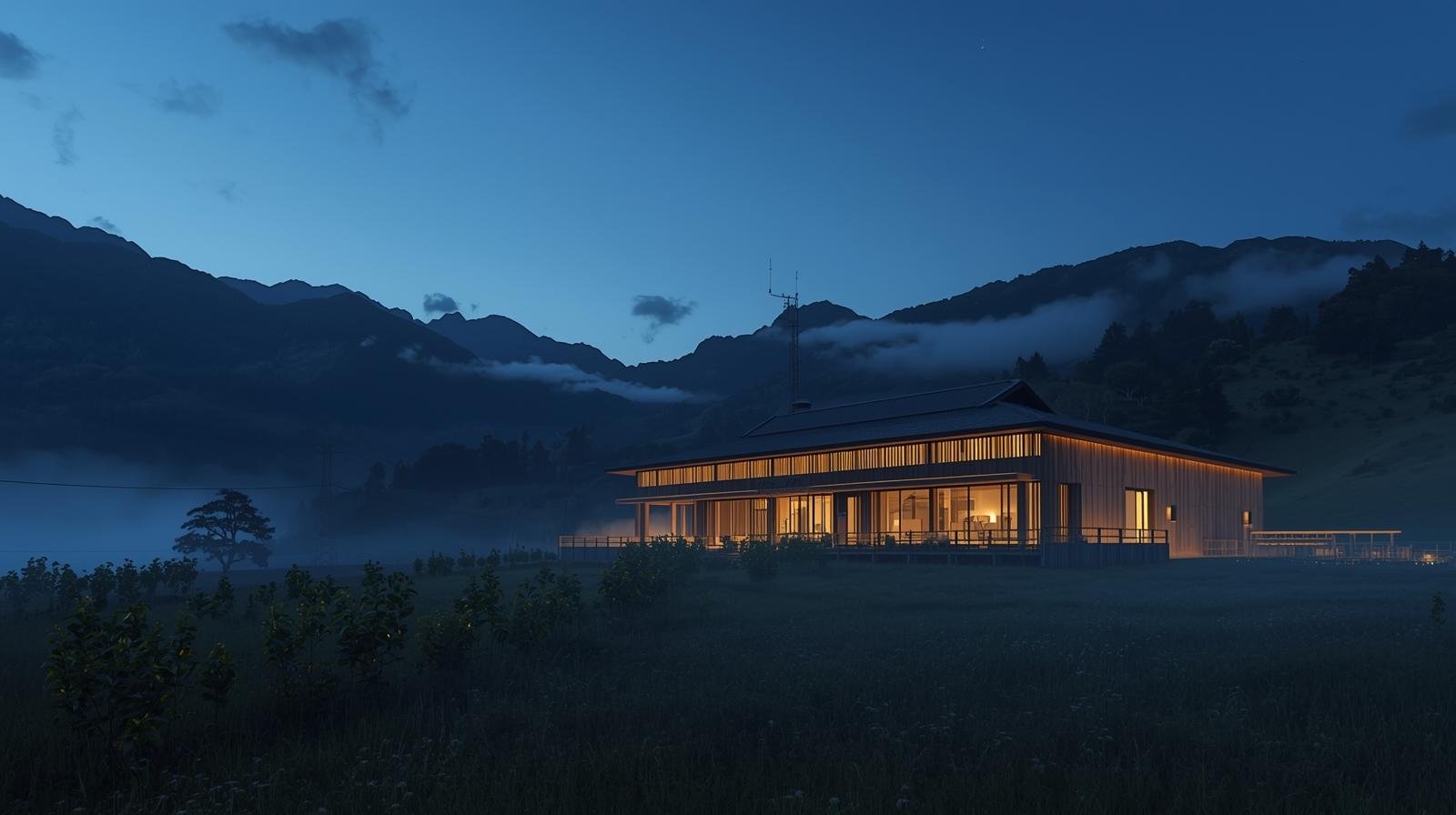
Explore Regional Breweries & Experiences
Want guided access to rural breweries, tastings, and local food pairings?
Regional Japan Craft Beer reveals something Tokyo cannot:
Space.
Breathing room.
Ingredients tied to soil and season.
It is here that fermentation feels closest to landscape.
But beer in Japan is not only about breweries.
It is about tables.
Wooden counters.
Shared plates.
And the glow of izakaya lanterns.
Craft Beer Meets Izakaya Culture
Slide the door open.
Warm air wraps around you.
Grill smoke curls toward the ceiling.
Lantern light softens every edge.
An izakaya is not a bar.
It is not quite a restaurant.
It is a social operating system.
Small plates.
Shared space.
Unscripted conversation.
For decades, the default pairing was macro lager.
Fast pours.
Cold glass.
Simple refreshment.
But across Tokyo, Osaka, Fukuoka, and beyond, something has shifted.
More izakayas now rotate local taps.
Seasonal kegs replace static brands.
Menus list brewery names.
Staff suggest pairings.
Japan Craft Beer has entered the izakaya rhythm.
And it fits.
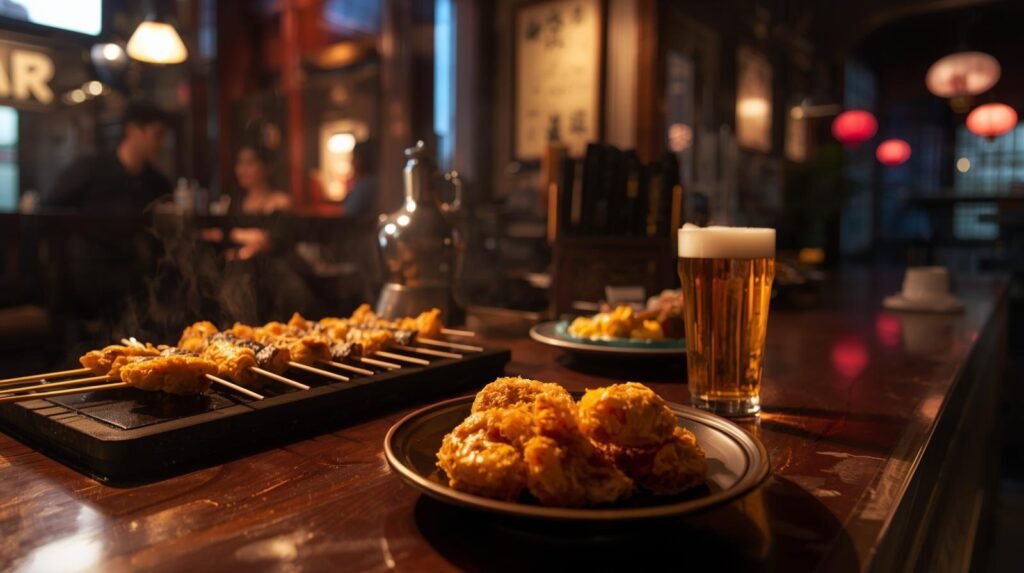
Karaage + IPA: Crisp Meets Citrus
Japanese fried chicken is light.
The batter is delicate.
The seasoning subtle.
A hop-forward IPA cuts through oil with carbonation and bitterness.
Citrus aromatics echo lemon wedges served on the side.
Carbonation scrubs the palate clean.
Bitterness resets.
Another bite.
Another sip.
The pairing is structural, not flashy.
Yakitori + Pale Ale: Smoke and Balance
Grilled chicken skewers carry char.
Sometimes tare glaze.
Sometimes just salt.
A balanced pale ale amplifies caramelization.
Malt sweetness mirrors glaze.
Moderate bitterness prevents heaviness.
Texture meets texture.
Foam meets smoke.
Japan Craft Beer excels here because many brewers avoid overwhelming bitterness.
Precision over aggression.
Miso Dishes + Amber Ale: Umami Resonance
Miso-based dishes carry depth.
Savory intensity.
Salted fermentation layered on fermentation.
Amber ales, with caramel malt notes, echo that umami without clashing.
The result is resonance.
Not contrast.
This is where Japan’s broader fermentation culture intersects with craft beer.
Sake. Soy sauce. Miso.
Beer joins the dialogue.
Sashimi + Pilsner: Clean Architecture
Sashimi demands restraint.
Delicate fish.
Minimal garnish.
A clean pilsner supports without intrusion.
Low ester profile.
Crisp finish.
High carbonation.
The beer becomes structural scaffolding.
Invisible, but essential.
The Izakaya Shift
Why does Japan Craft Beer integrate so seamlessly into izakaya culture?
Because izakayas are modular.
Small dishes.
Multiple rounds.
Flavor progression.
Craft beer thrives in sequence.
Light lager first.
Then pale ale.
Maybe a saison.
Finish with stout.
The table evolves.
So does the tap list.
Many izakayas now collaborate with local breweries for limited releases.
Seasonal batches timed with cherry blossom season.
Winter porters for colder months.
The integration is organic.
No hype campaign.
No rebranding.
Just gradual adoption.
Quiet expansion.
Beer as Conversation
In a crowded izakaya, conversation moves quickly.
Topics overlap.
Laughter spikes.
Beer supports that rhythm.
It lubricates but does not dominate.
Japan Craft Beer’s moderate alcohol levels and balanced profiles make it adaptable.
Drinkers can explore without fatigue.
Staff often explain ingredients briefly.
Yuzu peel.
Belgian yeast.
Rice adjunct.
Curiosity spreads table to table.
Part drink.
Part education.
Part atmosphere.
Curious How European Beer Compares?
If Japan Craft Beer represents precision and urban restraint, Europe offers centuries of monastic tradition and regional identity.
In izakayas across Japan, beer no longer plays a supporting role.
It collaborates.
It adapts.
It respects the table.
Under lantern light, foam settles slowly.
Chopsticks pause mid-air.
Someone raises a glass.
Not to excess.
To balance.
Innovation in Japan Craft Beer
Behind the wooden counters and neon-lit taprooms lies stainless steel.
Polished.
Silent.
Precise.
Innovation in Japan Craft Beer is rarely theatrical.
It is embedded in process.
Temperature control systems calibrated to decimal points.
Fermentation logs maintained with meticulous detail.
Water profiles adjusted with scientific restraint.
Japan’s broader manufacturing culture influences brewing deeply.
Continuous improvement.
Measured iteration.
Small refinements over dramatic swings.
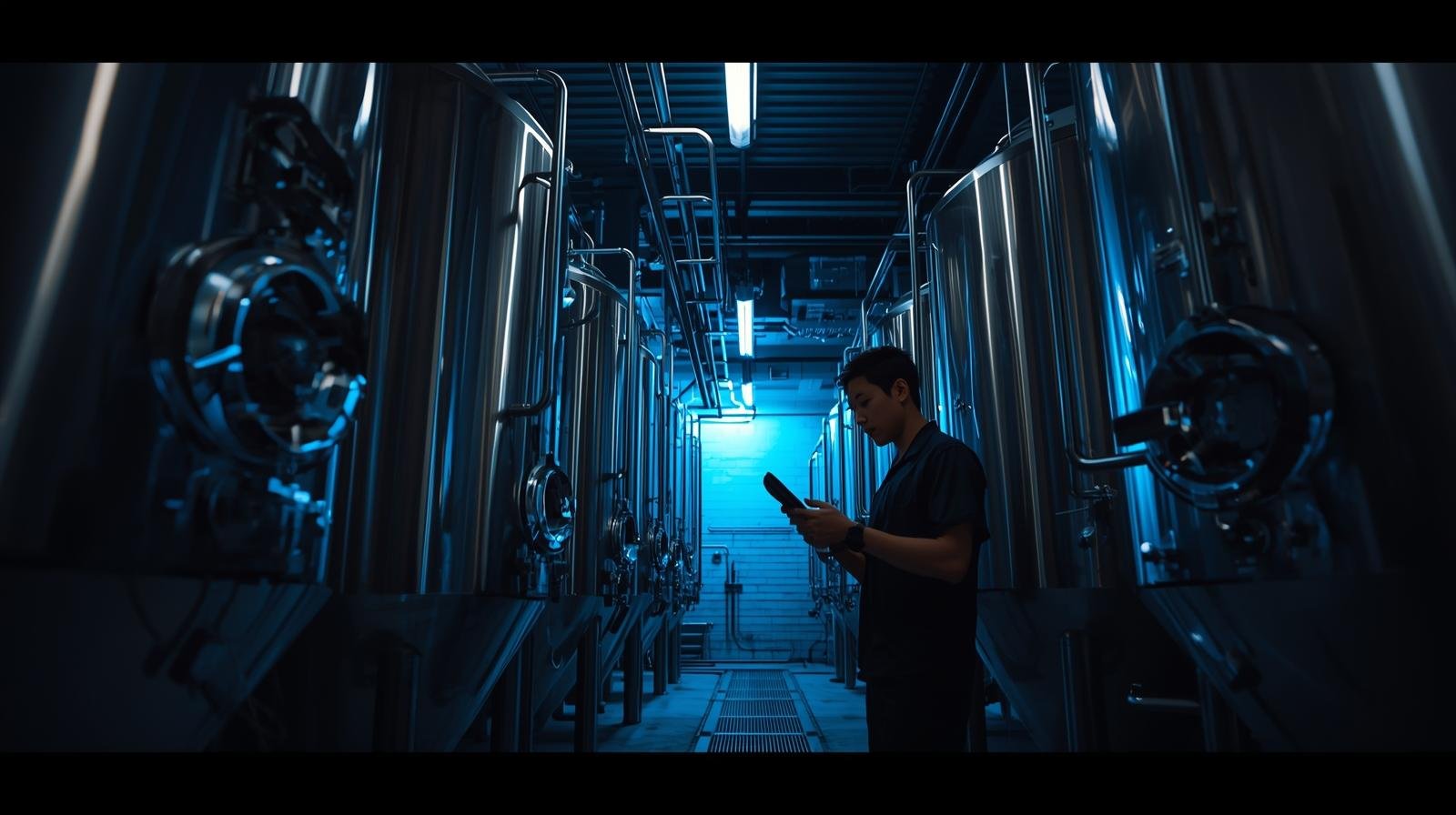
Brewers increasingly rely on digital monitoring tools to track fermentation curves, dissolved oxygen levels, and yeast performance.
Not to replace instinct.
To sharpen it.
In beer, data becomes a second palate.
Precision Brewing as Cultural Extension
Japan’s attention to detail did not begin with craft beer.
It has long shaped automotive engineering, electronics manufacturing, and culinary arts.
Brewing aligns naturally with that mindset.
Yeast health is monitored closely.
Sanitation protocols are exacting.
Recipe adjustments are incremental.
This culture of refinement contributes to consistent quality across many Japanese craft breweries.
It also supports international competitiveness.
At global competitions such as the World Beer Cup, Japanese breweries have earned medals across diverse categories, from German-style lagers to Belgian-inspired ales.
Recognition reflects structure.
Not spectacle.
Export & Global Dialogue
Japan Craft Beer is increasingly visible beyond domestic borders.
Breweries such as Kiuchi Brewery export internationally, bringing rice lagers and barrel-aged stouts to global markets.
This exchange works both ways.
American hops influence Japanese IPAs.
Belgian yeast strains inspire Kyoto saisons.
International brewers collaborate with Japanese producers.
The conversation is ongoing.
Part local identity.
Part global integration.
Sustainability & Scale
As the number of small breweries grows, sustainability becomes part of the discussion.
Energy-efficient brewing systems.
Water conservation strategies.
Local sourcing where viable.
While large-scale transformation is gradual, environmental considerations are increasingly visible within parts of the industry.
Again, the pattern is incremental.
Measured.
Calibrated.
Japan Craft Beer evolves through refinement rather than disruption.
Taste Japan Craft Beer at Home
Not traveling soon?
You can still explore global craft styles and compare Japanese precision with European classics.
Why Japan Craft Beer Feels Different
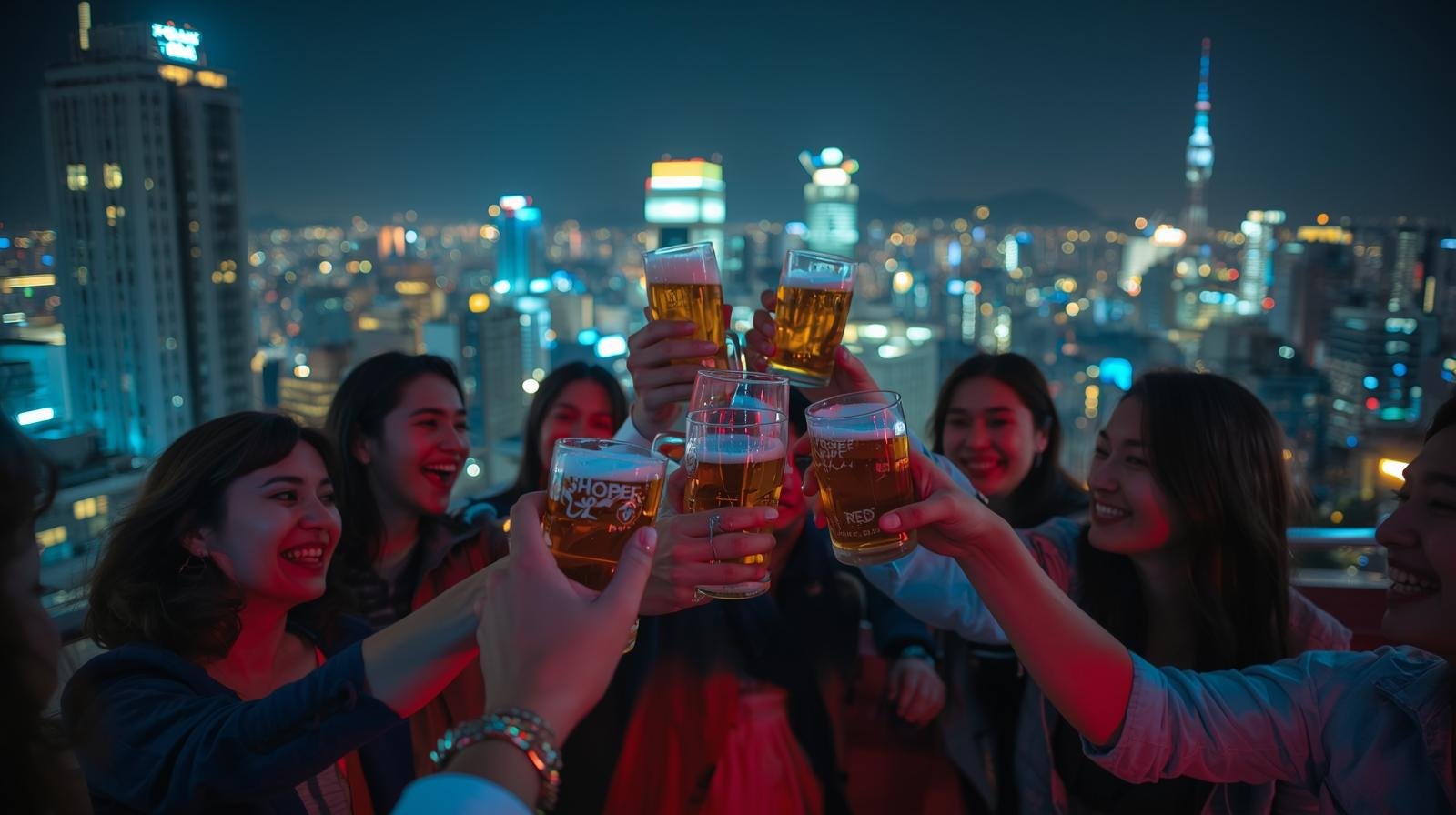
Stand on a Tokyo rooftop.
City lights stretch endlessly.
Raise a glass.
The foam glows faintly under skyline reflections.
Japan Craft Beer feels different because it mirrors its environment.
Dense yet controlled.
Expressive yet restrained.
It rarely overwhelms.
It rarely shouts.
Instead, it layers.
Technique over trend.
Balance over excess.
Urban density accelerates creativity.
Cultural precision refines it.
Part izakaya.
Part laboratory.
Part tradition.
Part tomorrow.
The BeerMadness Signal
The glass fogs under night air.
Condensation gathers like soft rain.
Below, trains continue their rhythm.
Inside the beer, yeast has completed its silent work.
Japan Craft Beer is not a rebellion.
It is a recalibration.
From tax reform in 1994 to global medals.
From ji-biru novelty to disciplined craft.
From macro dominance to taproom diversity.
It evolved the way fermentation always does.
Slowly.
Patiently.
Precisely.
In the glow of neon and stainless steel, Japan has not abandoned its identity.
It has translated it.
Into foam.
Into balance.
Into quiet innovation.
And when the city hums and glasses rise, you can taste it.
Not loud.
Not chaotic.
But intentional.
Reading the future of beer culture through the glow of a taproom screen.
Japan Craft Beer FAQs
What is Japan craft beer?
Japan craft beer refers to small-scale, independently brewed beer made in Japan, focusing on quality, regional ingredients, and technical precision.
The movement accelerated after a 1994 licensing reform, allowing smaller breweries to open. Today, styles range from crisp lagers to hop-forward IPAs and citrus-infused ales.
When did Japan craft beer begin?
Modern Japan craft beer began in 1994 when the government reduced minimum production requirements for brewing licenses.
This allowed small producers to enter the market, launching the “ji-biru” era and setting the foundation for today’s refined craft brewing scene.
What does “ji-biru” mean?
“Ji-biru” (地ビール) means “local beer.”
The term became popular in the 1990s as new small breweries opened across Japan. It marked the country’s first wave of modern craft beer production.
Where can I drink Japan craft beer in Tokyo?
Tokyo neighborhoods like Shibuya, Ebisu, and Kanda offer dense clusters of craft taprooms.
Breweries such as Baird Brewing, Hitachino Nest (Kiuchi Brewery), and Yo-Ho Brewing operate popular locations across the city.
Is Japan craft beer mostly lager or IPA?
Japan craft beer includes both.
While clean lagers remain culturally important, IPAs and pale ales have grown significantly in popularity. Many breweries emphasize balance and precision rather than extreme bitterness.
What food pairs best with Japan craft beer?
Japan craft beer pairs naturally with izakaya dishes:
IPA with karaage
Pale ale with yakitori
Amber ale with miso dishes
Pilsner with sashimi
Carbonation and bitterness complement umami-rich flavors effectively.
Can you buy Japanese craft beer outside Japan?
Yes.
Some breweries, including Hitachino Nest, export internationally. Availability depends on region, but specialty beer retailers increasingly stock Japanese craft selections.