The street is wet. Brick walls reflect neon light. Somewhere behind a fogged window, a tap handle clicks.
This is the UK after dark — where centuries-old pub culture hums beside stainless-steel fermenters and glowing taproom screens.
In 2026, the United Kingdom stands as one of the most complex beer travel destinations on Earth. Not because it is loud, or flashy, or chasing hype — but because it is layered.
Here, beer is not a trend. It is infrastructure.
More than 2,000 breweries are scattered across England, Scotland, Wales, and Northern Ireland, each shaped by local water, weather, history, and people. Victorian pubs coexist with AI-optimized brewhouses. Hand-pulled cask ales flow a few streets away from triple-hopped hazy IPAs.
The UK doesn’t ask you to choose between tradition and innovation.
It pours both.
This guide is not a checklist. It is a map of flavors, neighborhoods, and ideas. A way to travel slowly, drink intelligently, and understand why British beer culture still influences the global craft movement more than almost any other scene.
Welcome to the Ultimate UK Craft Beer Travel Guide — 2026 edition.
Why the UK Is a Craft Beer Travel Powerhouse
The UK does not dominate beer culture through scale alone. It dominates through density, diversity, and continuity.
Few countries offer such a compressed mix of brewing identities. Within a single train ride, you can move from a rural cask-focused pub to a metropolitan taproom running pilot batches every week.
This density matters.
Unlike newer beer destinations, the UK never erased its past to make space for craft. Instead, modern breweries built directly on top of existing pub culture, borrowing techniques, resisting others, and reshaping expectations.
Organizations like CAMRA have protected traditional beer formats such as cask ale, while a new generation of brewers experiments with hop genetics, fermentation data, and global collaborations.
The result is a beer landscape driven by contrast.
Soft, low-carbonation bitters sit beside hop-saturated IPAs. Quiet neighborhood pubs coexist with industrial taprooms that feel part lab, part social club.
Unlike many beer travel destinations, the UK is also uniquely navigable. A dense rail network makes brewery-hopping not only possible, but practical — even responsible.
In beer terms, the UK is not one scene.
It is a network.
And in 2026, that network has reached a rare moment of balance: old enough to be confident, new enough to still be curious.
Plan a Trip with the UK Craft Beer Travel Guide (Smart, Not Rushed)
Best Time to Visit for Beer Lovers
The UK beer calendar runs year-round, but not all months drink the same.
Spring brings festival season and fresh cask ales. Summer favors pale ales, lagers, and outdoor taprooms. Autumn leans into malty styles and harvest energy. Winter rewards travelers with stouts, barleywines, and cozy pub culture.
May, June, September, and October offer the best balance between weather, brewery schedules, and travel costs.
Many major events are listed through VisitBritain.com, but some of the best beer moments happen off-calendar — quiet weekdays, neighborhood pubs, unannounced releases.
Getting Around the UK (Train Beats Car)
The UK rail system is a secret weapon for beer travelers.
Most major beer cities are connected by fast, frequent trains. This makes multi-city trips efficient and removes the need for driving — an underrated advantage in a country built around pub culture.
Resources like National Rail allow you to cluster cities geographically, reducing travel fatigue and maximizing taproom time.
In practice, this means fewer destinations — and better experiences.
How Many Cities Is Too Many?
The biggest mistake beer travelers make in the UK is overpacking the itinerary.
Three to five cities across 7–10 days is the sweet spot. This allows room for repeat pub visits, conversation with locals, and recovery time between tastings.
The best UK beer trips are not measured by brewery count.
They are measured by memory density.
London: The Global Craft Beer Capital
London does not announce itself as a beer capital.
It simply behaves like one.
In 2026, no other city compresses as many brewing philosophies, techniques, and cultures into such a tight urban grid. Traditional pubs, experimental taprooms, mixed-fermentation cellars, and hyper-modern brewhouses exist not in isolation, but in constant conversation.
London’s strength is not a single style.
It is range.
Why London Matters
London’s influence on modern craft beer extends far beyond the UK.
The city helped normalize hazy IPAs in Europe, pushed the boundaries of barrel-aged stouts, and proved that small-batch experimentation could scale without losing identity.
Unlike many global beer hubs, London never centralized its scene. Brewing culture spread outward, embedding itself into neighborhoods rather than concentrating in a single district.
This decentralization is intentional.
It keeps beer local, walkable, and deeply tied to community.
Industry-wide coordination through groups like the London Brewers Alliance has helped independent producers share knowledge while maintaining creative independence.
The Bermondsey Beer Mile: Density as Design
No discussion of London beer is complete without the Bermondsey Beer Mile.
What began as a practical clustering of railway arches has become one of the most efficient beer corridors in the world.
Within a short walk, travelers encounter a spectrum of styles: crisp lagers, assertive IPAs, wild ales, and heavyweight stouts. The Mile rewards pacing, curiosity, and conversation.
Importantly, it also demonstrates something uniquely British.
Beer here is social infrastructure.
Taprooms are designed for standing, sharing tables, and talking to strangers. The goal is not spectacle, but flow.
Beyond Bermondsey: Neighborhood Beer Londoners Actually Drink
London’s real depth emerges once you leave the Mile.
In Hackney, taprooms lean experimental and culturally hybrid, often blending brewing with art, music, and street food. Walthamstow offers community-focused spaces where locals treat the taproom like an extension of their living room.
South London favors bold, export-driven styles. North London preserves quiet pub traditions alongside modern keg lines.
This geographic variation matters.
It allows travelers to experience London not as a single beer destination, but as multiple overlapping ones.
Styles You’ll Encounter in London
London breweries rarely lock themselves into a single identity.
Instead, they operate like creative studios — rotating styles, testing new hop varieties, refining fermentation profiles.
Expect:
- Hazy and West Coast IPAs with precise hop expression
- Export stouts and imperial variants with layered roast profiles
- Mixed-fermentation beers influenced by wine and cider culture
- Modern lagers focused on drinkability and technical clarity
In many taprooms, beer menus now include detailed sensory notes, ABV ranges, and ingredient breakdowns — a reflection of a drinker base that values information as much as aroma.
In London, data doesn’t replace intuition.
It sharpens it.
How to Drink London Like a Local
Start earlier than you think.
London beer culture favors daytime sessions. Afternoon visits allow space for conversation and avoid late-evening crowd compression.
Order halves when exploring.
They are socially accepted, widely available, and designed for tasting breadth.
Most importantly, linger.
London beer is not about chasing releases.
It’s about letting a place reveal itself — one neighborhood, one conversation, one glass at a time.
Manchester: Northern Grit Meets Modern Haze
Manchester doesn’t polish its beer culture.
It reinforces it.
Where London thrives on range and velocity, Manchester builds depth through repetition, resilience, and understatement. This is a city shaped by industry — and its beer reflects that heritage with confidence.
No excess. No theatrics.
Just intent.
The Brewing Identity of Manchester
Manchester’s craft beer scene grew out of necessity rather than spectacle.
Former warehouses, textile mills, and industrial units now house breweries that prioritize process over presentation. The focus here is consistency, drinkability, and structural balance.
Historically a working-class city, Manchester embraced session culture early. Even as modern IPAs gained strength and saturation, the city retained a respect for beers that could be revisited — pint after pint.
This mindset still defines the local scene.
It’s no coincidence that many Manchester breweries excel at styles that reward precision: pale ales with clean bitterness, stouts with controlled roast, lagers that hide nothing.
What Makes Manchester Different
Manchester doesn’t chase trends.
It interrogates them.
Hazy IPAs here are less about opacity and more about texture. Bitterness is present, intentional, and unapologetic. Alcohol levels remain restrained, favoring structure over spectacle.
The city’s beer culture is also deeply communal.
Taprooms function as gathering points rather than destinations. Regulars outnumber tourists. Conversations lean local. Beer becomes background — not centerpiece.
This atmosphere is reinforced by the city’s compact geography. Many breweries and pubs sit within walking distance of one another, encouraging exploration without urgency.
Manchester’s Modern Beer Landscape
In recent years, Manchester has quietly become one of the UK’s most technically proficient brewing cities.
Brewers here are known for refining recipes over time rather than cycling constantly through new releases. Fermentation control, water chemistry, and hop selection are treated as long-term investments.
Industry collaboration is common, supported by regional networks and visibility through organizations like the Manchester City Council and local cultural initiatives that support independent food and drink.
The result is a beer scene that feels stable, grounded, and quietly confident.
No hype required.
How to Experience Manchester Like a Local
Start with pubs before taprooms.
Manchester’s pub network remains one of its strongest assets. Many venues maintain rotating guest lines alongside local favorites, offering a broader snapshot of the regional scene.
Order with intention.
Ask what’s freshest. Ask what’s drinking well today. Manchester bartenders tend to answer honestly — sometimes bluntly.
Finally, slow down.
Manchester beer rewards patience. The first sip might not shout, but the second and third often reveal more than expected.
In this city, beer doesn’t perform.
It endures.
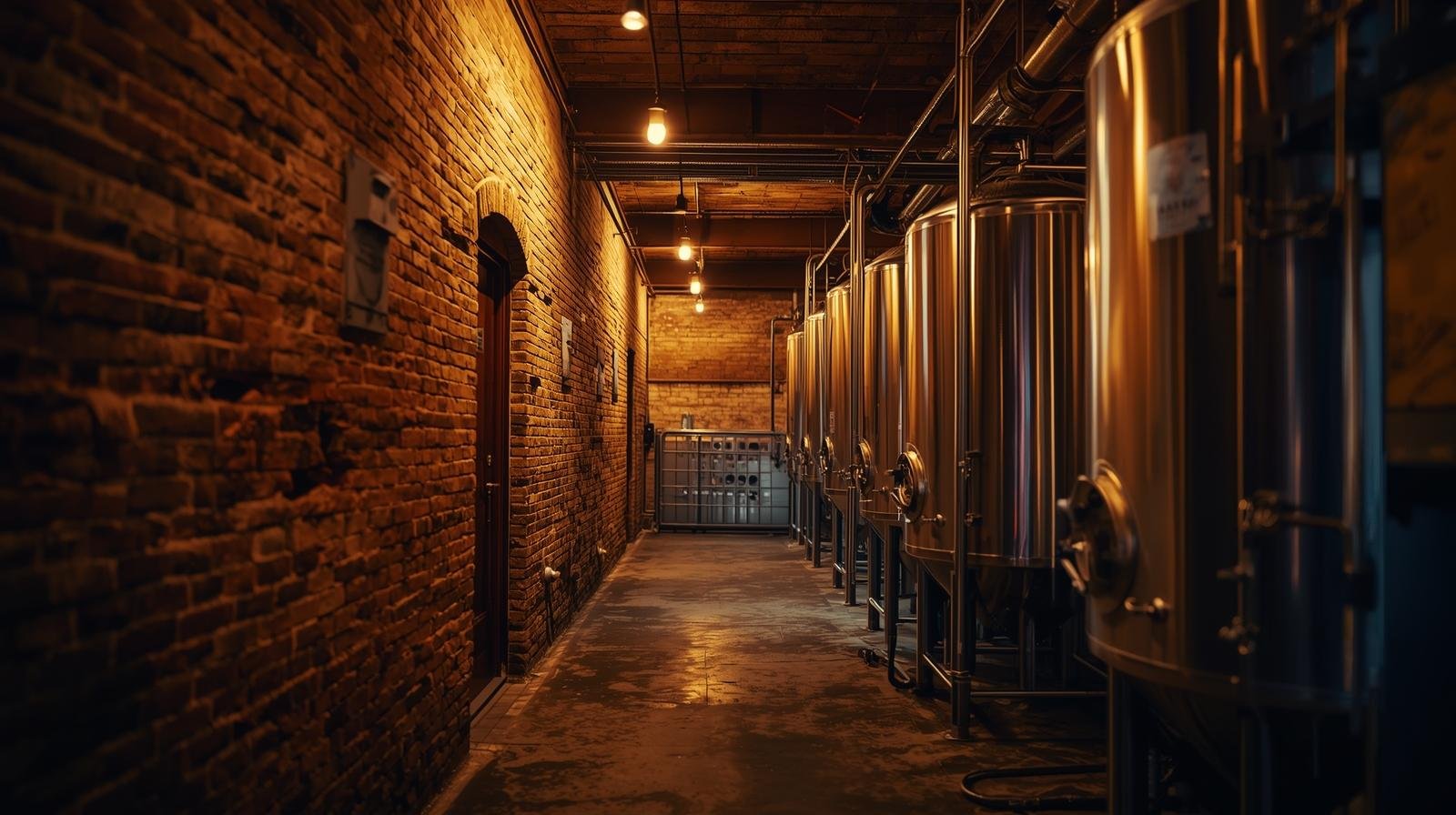
Leeds, Sheffield & Yorkshire: Cask, Craft, and Precision
Yorkshire does not shout about beer.
It calibrates it.
This region represents one of the most technically disciplined beer cultures in the UK. Here, brewing is treated less as performance and more as craft in the purest sense of the word.
Measured. Repeatable. Exact.
Yorkshire’s Brewing Philosophy
Beer in Yorkshire is built around balance.
Malt and hop are not competitors, but partners. Fermentation is clean, restrained, and intentional. Alcohol levels remain moderate, favoring clarity over intensity.
This philosophy has deep roots. Yorkshire’s historic role in British brewing helped define what “proper” beer meant long before the modern craft movement existed.
That legacy still shapes expectations.
Brewers here operate under an unspoken contract with their audience: make it honest, make it stable, and make it worth returning to.
Why Cask Still Matters in 2026
Nowhere in the UK is cask ale treated with more seriousness than in Yorkshire.
Far from being a nostalgic format, cask here is a technical benchmark. Poor temperature control, oxygen exposure, or conditioning errors are immediately visible.
When executed well, cask beer offers something keg cannot replicate: immediacy.
Freshness becomes flavor. Texture becomes signal.
Yorkshire drinkers notice. And they remember.
This cultural feedback loop has preserved an ecosystem where cask remains relevant, evolving quietly alongside modern craft styles.
Leeds and Sheffield: Two Cities, One Discipline
Leeds leans contemporary.
The city blends modern taprooms with traditional pubs, often offering both cask and keg from the same producer. This dual-format approach encourages comparison rather than division.
Sheffield, by contrast, feels almost devotional.
Its beer culture centers on pubs as institutions — places where beer is consumed deliberately, discussed casually, and respected deeply.
Together, these cities form a regional counterweight to trend-driven brewing.
They remind drinkers that innovation is most meaningful when grounded in process.
What Beer Travelers Should Expect
Yorkshire is not about extremes.
Expect pale ales with restrained bitterness, bitters with depth rather than sweetness, and stouts that emphasize structure over roast aggression.
Modern styles exist here, but they are filtered through a regional lens.
The result is beer that ages well in memory — not because it shocked, but because it worked.
For authoritative regional context, resources like Yorkshire provide insight into how beer, food, and place intersect across the county.
In Yorkshire, beer doesn’t chase relevance.
It defines it quietly.
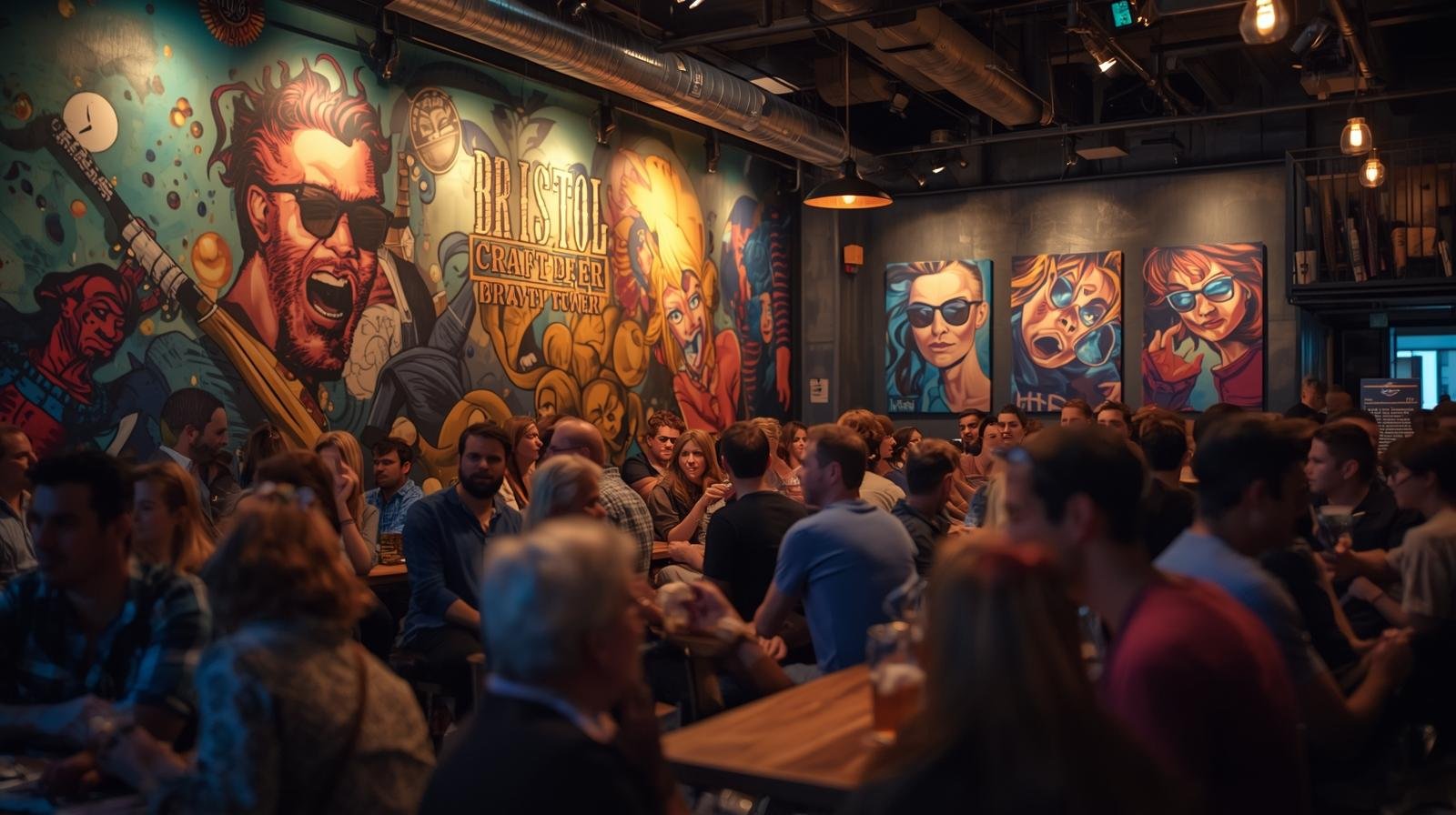
Bristol & the South West: Creativity Without Rules
If Yorkshire is precision, Bristol is permission.
This is the UK’s most creatively untethered beer region — a place where brewing intersects with art, ethics, and experimentation.
Bristol’s independent spirit predates the modern craft movement. Its beer culture evolved alongside street art, underground music, and alternative food scenes.
The result is a brewing identity that resists definition.
Bristol’s Experimental DNA
Breweries in and around Bristol embrace variety as a philosophy.
Expect saisons fermented with local cultures, hop-forward pales softened by water chemistry, and low-alcohol beers built with surprising depth.
Vegan-friendly taprooms, sustainability-first brewing practices, and inclusive spaces are not trends here.
They are defaults.
Local support from initiatives linked to Visit Bristol has helped position beer as part of the city’s broader creative economy.
The South West Beyond the City
Outside Bristol, the South West slows the pace.
Coastal towns and rural producers favor drinkability, freshness, and context. Beer is often consumed outdoors, paired with food, or treated as part of a day rather than a destination.
This region rewards openness.
Arrive without expectations, and let the glass guide you.
UK Beer Festivals Worth Traveling For
The UK beer festival calendar is not seasonal.
It is continuous.
Unlike many countries where festivals feel like peak moments, the UK treats them as connective tissue — recurring points where brewers, drinkers, and pub culture briefly converge.
For beer travelers, festivals offer compression.
Dozens of producers, multiple regions, and contrasting styles share the same physical space. Patterns emerge quickly. Preferences sharpen faster.
Why Festivals Still Matter
In an era dominated by taprooms and direct releases, festivals remain one of the few environments where comparison is unavoidable.
You taste beers back-to-back. You notice balance, restraint, excess. Context becomes flavor.
This is especially relevant in the UK, where cask, keg, and emerging hybrid formats often coexist at the same event. Few beer cultures expose their full spectrum so openly.
Festivals also preserve something increasingly rare: cross-pollination.
Small regional breweries gain visibility. Established producers test ideas quietly. Drinkers step outside algorithm-driven preferences.
Flagship and Regional Events
Large-scale gatherings such as the Great British Beer Festival remain important reference points, showcasing the breadth of British brewing across multiple formats.
Equally valuable are smaller regional festivals hosted by pub networks, local councils, or independent collectives. These events often deliver deeper insight into how beer functions within a specific community.
The most effective strategy is simple.
Anchor your trip around one festival, then explore the surrounding pubs and taprooms while brewers and drinkers are already in town.
In the UK, festivals don’t interrupt beer culture.
They reveal it.
The Future of UK Beer Travel (2026–2030)
UK beer travel is entering its analytical phase.
Not colder. Not more corporate.
More intentional.
Breweries increasingly rely on data to refine recipes, manage fermentation precision, and reduce waste. Travel experiences are beginning to reflect the same mindset.
Digital menus now display freshness windows, hop origins, and batch details. Some taprooms experiment with live tank indicators or limited-release tracking systems.
Information becomes part of the experience.
Crucially, this shift does not replace craft intuition.
It sharpens it.
Brewers still rely on sensory evaluation, but data acts as a stabilizer — confirming patterns, identifying drift, and supporting consistency at scale.
Sustainability will also reshape how beer travelers move.
Walkable beer districts, train-accessible regions, and locally focused producers will gain relevance as environmental awareness intersects with convenience.
Large destination breweries may lose ground to smaller, hyper-local experiences where place and process are inseparable.
The future of UK beer travel will not be louder.
It will be clearer.
Part pub. Part lab.
Fully alive.
The BeerMadness Signal
To travel the UK by beer is to read its margins.
History lingers in pub corners. Innovation hums behind stainless steel. Every region speaks in a different register, yet the language remains shared.
This is not a country that reinvented beer.
It refused to abandon it.
Across cities and villages, brewing traditions were preserved not by museums, but by repetition. Pubs stayed open. Pints were poured. Expectations remained.
Modern craft did not replace this system.
It attached itself to it.
In 2026, the UK offers something increasingly rare: continuity without stagnation. A place where tradition and technology coexist without apology, and where beer still belongs to everyday life.
Drink slowly. Listen carefully.
The story is already in the glass.
Frequently Asked Questions About UK Craft Beer Travel
Why does the UK still get craft beer right?
The UK gets craft beer right because modern innovation developed alongside, not instead of, traditional pub culture. Cask ale, local pubs, and regional identity still matter, giving new breweries a strong foundation rather than a blank slate.
Is the UK a good destination for craft beer travel in 2026?
Yes. In 2026, the UK remains one of the best beer travel destinations in the world due to its density of breweries, walkable beer cities, strong rail connections, and year-round beer culture.
Which UK cities are best for craft beer lovers?
Some of the best UK cities for craft beer include London for diversity, Manchester for balance and consistency, Leeds and Sheffield for cask culture, and Bristol for experimental brewing.
What makes UK craft beer different from other countries?
UK craft beer is shaped by pub culture, moderate alcohol levels, and drinkability. Even modern styles tend to prioritize balance, sessionability, and social drinking over extreme strength or novelty.
Is cask ale still relevant for craft beer travelers?
Yes. Cask ale remains a defining part of UK beer culture. When well kept, it offers freshness and texture that keg beer cannot replicate, making it an essential experience for beer travelers.
When is the best time to visit the UK for beer tourism?
Late spring and early autumn are ideal for beer travel in the UK. These seasons balance comfortable weather, active beer festivals, and full brewery schedules without peak tourist crowds.
Are UK beer festivals worth planning a trip around?
UK beer festivals are worth visiting because they bring together multiple regions and styles in one place. They allow travelers to compare beers side by side and explore the wider pub scene surrounding the event.
How should beer travelers move between UK beer cities?
Trains are the best way to travel between UK beer cities. The rail network connects major beer regions efficiently, allowing travelers to explore multiple cities without driving.
Is UK craft beer focused more on tradition or innovation?
UK craft beer succeeds because it balances both. Traditional formats like cask ale coexist with modern brewing techniques, creating a culture where innovation enhances rather than replaces heritage.